The Silent Nighttime Challenge
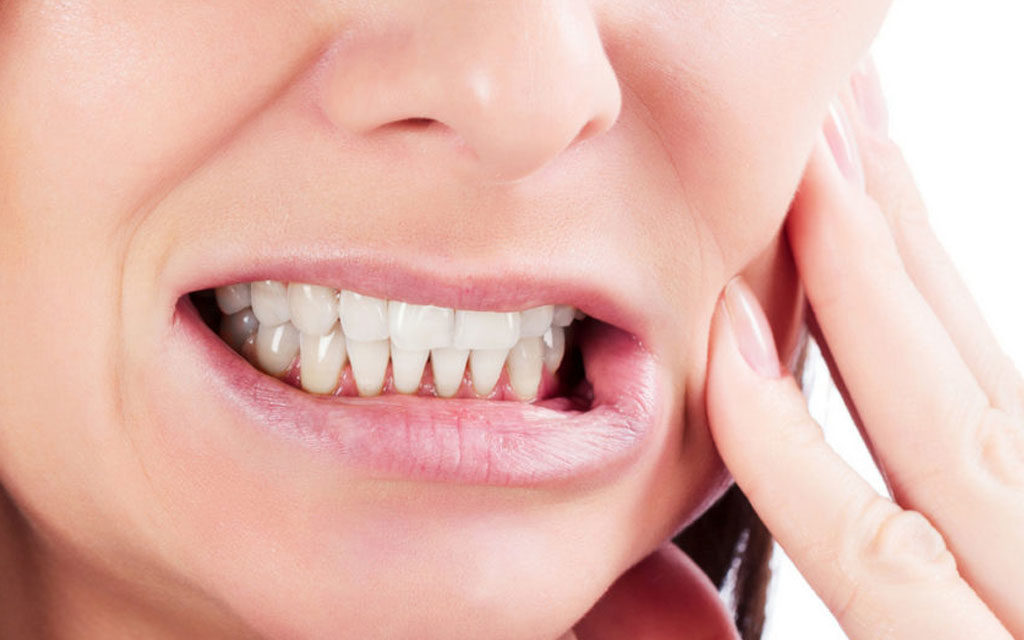
Obstructive sleep apnea (OSA) and sleep bruxism are common yet often overlooked conditions that can significantly impact oral health and overall well-being. OSA is characterized by repeated airway collapses during sleep, leading to interrupted breathing, poor oxygenation, and fragmented rest. Bruxism, marked by clenching or grinding of teeth during sleep, damages enamel, strains the temporomandibular joint (TMJ), and can cause chronic jaw pain. Together, these conditions reduce sleep quality, impair daytime focus, and increase the risk of cardiovascular and neurological complications.
Dentists are uniquely positioned to detect early signs of these conditions, as oral manifestations such as worn teeth, TMJ changes, and malocclusion often precede systemic symptoms. However, traditional diagnostic and monitoring methods have been limited, cumbersome, or uncomfortable for patients.
From Traditional Solutions to Smart Monitoring
Continuous positive airway pressure (CPAP) has long been the standard treatment for OSA, delivering pressurized airflow via a facemask to keep airways open. While highly effective, CPAP devices are bulky, noisy, and uncomfortable, leading to low long-term adherence. Even patients with severe OSA often struggle to use these devices consistently.
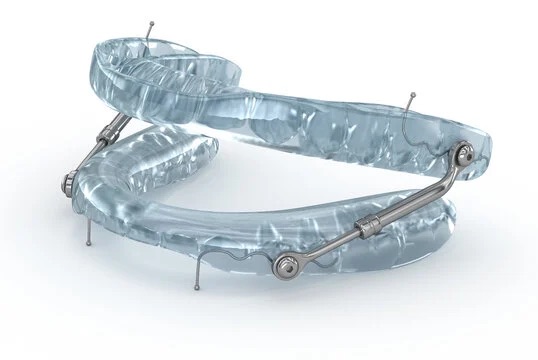
Mandibular advancement devices (MADs) emerged as a more compact, mouthguard-like alternative that advances the lower jaw to maintain an open airway. MADs also reduce the harmful effects of bruxism. Yet, the effectiveness of traditional MADs is limited by the lack of real-time monitoring. Dentists cannot objectively verify whether patients are wearing the devices consistently, nor can they track sleep or jaw activity during the night.
AI-Enabled Sensor Technology in MADs
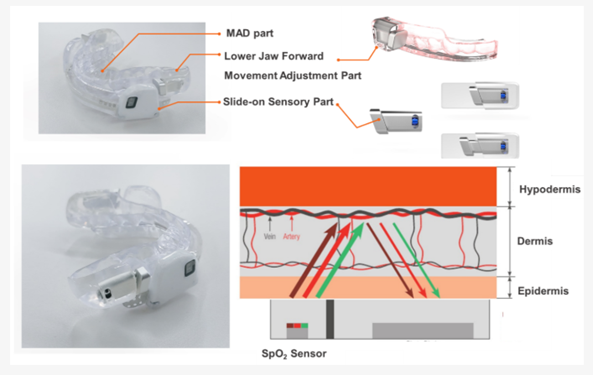
Modern smart mandibular advancement devices (MADs) are no longer just simple oral appliances—they now integrate multiple sensors, including accelerometers, gyroscopes, temperature sensors, and SpO₂ monitors. These sensors track jaw movement, sleep posture, and blood oxygen levels, while temperature readings confirm whether the device is being worn properly. Data from all sensors is transmitted wirelessly to secure servers, where AI algorithms analyze it in real time to detect patterns, predict bruxism episodes, assess sleep quality, and identify potential OSA events.
How It Works: When a patient wears the MAD, the motion sensors continuously record jaw movements and head orientation throughout the night, detecting bruxism or unusual sleep positions. Temperature sensors ensure the device is in place, confirming accurate usage, while SpO₂ sensors monitor oxygen saturation to detect sleep apnea events. All collected data is encrypted and sent via Bluetooth or Wi-Fi to a secure cloud server, where AI processes the information, recognizes trends, and provides actionable insights. Patients can view basic summaries through a mobile app, while dentists and sleep specialists receive detailed reports, enabling them to adjust the MAD, recommend interventions, and monitor compliance remotely.
Clinical Advantages for Dentists
AI-integrated oral appliances bring numerous benefits to dental professionals. Objective compliance data allows dentists to monitor how frequently and effectively patients use their MADs. Abnormal mandibular movements can be detected in real time, helping prevent TMJ damage or complications that could affect restorative treatments. Data-driven insights improve treatment planning, allowing dentists to fine-tune device settings and coordinate interventions with other medical or dental therapies. Additionally, patients become more engaged in their treatment when they receive tangible feedback on their sleep and jaw activity, promoting adherence and proactive self-care.
This technology shifts dental practice from symptom-based treatment to a preventive, evidence-driven approach, reducing complications and improving long-term outcomes.
Patient Experience and Benefits
For patients, smart MADs are discreet, comfortable, and non-invasive, providing continuous monitoring without disrupting sleep. Early detection of OSA and bruxism episodes, personalized feedback on jaw activity and sleep posture, and reassurance from real-time monitoring enhance patient satisfaction. Future iterations of these devices may include automated mandibular adjustments or alert systems for high-risk events, making treatment even more responsive and adaptive. Compared to traditional CPAP therapy, these devices offer a less obtrusive, more user-friendly alternative while maintaining clinical effectiveness.
The Broader Potential of AI in Sleep Dentistry
Integrating AI with oral appliances opens exciting new possibilities in dental care. Predictive analytics could allow algorithms to forecast high-risk bruxism events, sleep apnea episodes, or TMJ stress, enabling preemptive interventions. The combination of sensor data with digital dentistry tools, including intraoral scans and virtual articulators, creates opportunities for comprehensive treatment planning. Longitudinal monitoring allows dentists to track changes over time and adjust interventions according to individual patient trends. By combining dental, sleep, and systemic health data, clinicians can link oral care to broader health outcomes, such as cardiovascular, neurological, and metabolic health.
Existing Devices and Research
Several commercially available and experimental smart oral appliances demonstrate the feasibility of AI-assisted monitoring. These devices typically integrate accelerometers, gyroscopes, temperature, and SpO₂ sensors into MADs to track sleep quality and jaw activity in real time. Clinical studies have shown that these appliances reliably detect sleep posture and bruxism events, maintain stable wireless communication, and transmit data with minimal errors. By leveraging AI analysis, dentists can provide evidence-based care that improves oral and systemic health, enhances patient adherence, and strengthens long-term treatment outcomes.
References
- Multisensor Embedded OSA Monitoring Intraoral Appliance Device. Applied Sciences, 2021. https://www.mdpi.com/2076-3417/11/9/4182
- Jin, H., et al. “Flexible Surface Acoustic Wave Respiration Sensor for Monitoring Obstructive Sleep Apnea Syndrome.” Sensors, 2021. https://www.mdpi.com/1424-8220/21/3/5426
- Matsuda, et al. “Sensor-Embedded Oral Appliance for Airway Monitoring.” Journal of Clinical Sleep Medicine, 2019.