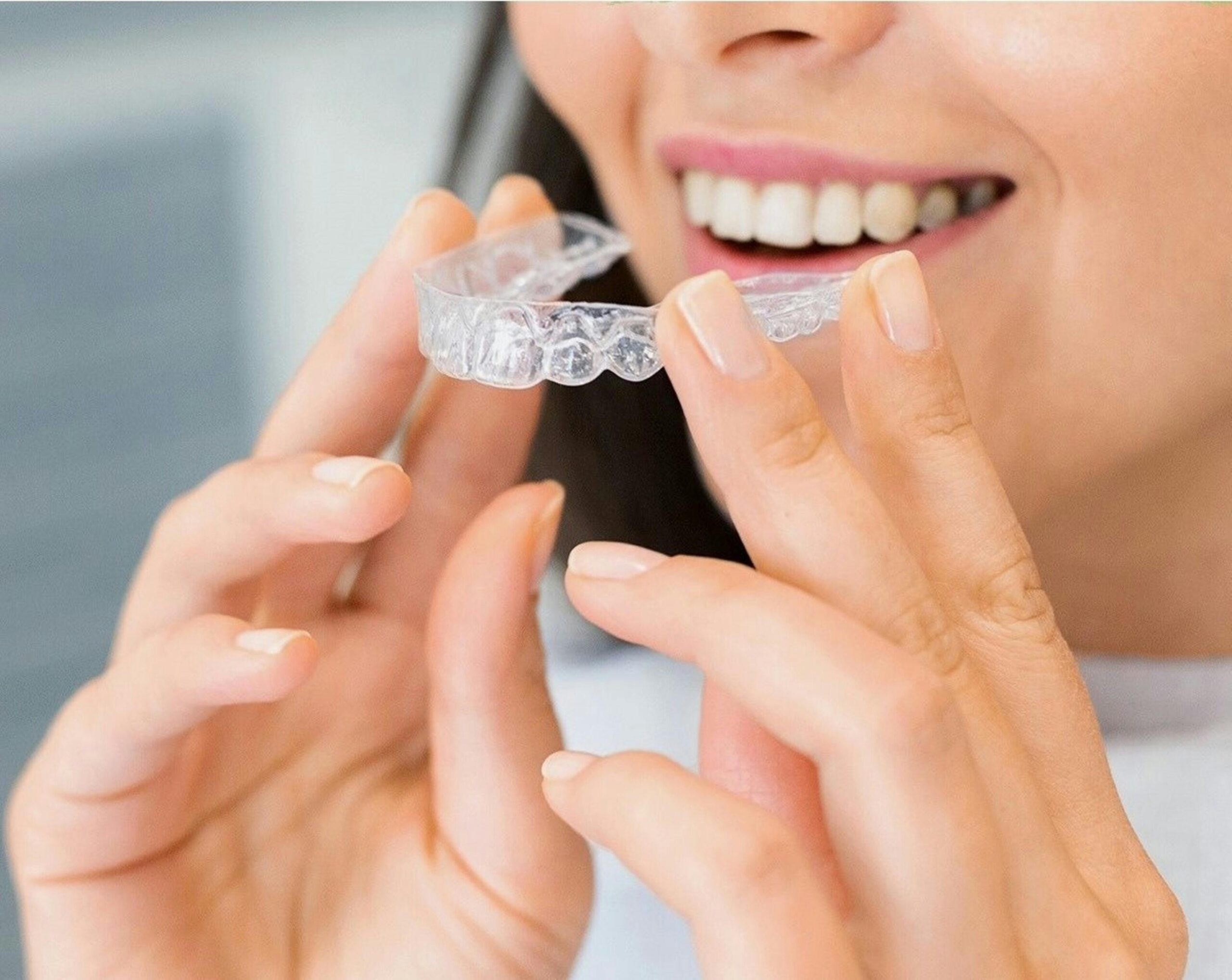
Clear aligners have transformed orthodontic care with their aesthetics and convenience. However, recent research highlights an important clinical consideration: prolonged aligner wear can influence plaque behaviour and local bacterial balance, especially when oral hygiene is inadequate.
While aligners do not directly cause caries or periodontal disease, they create a covered micro-environment that alters how plaque accumulates, matures, and interacts with saliva.
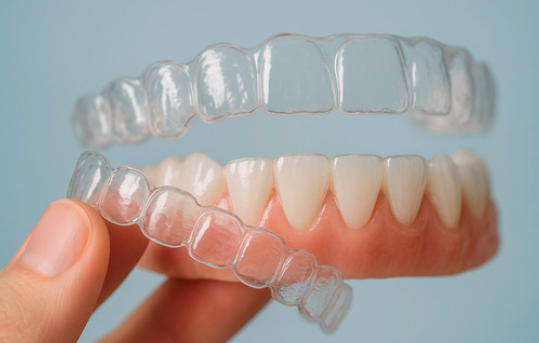
What Happens Under a Clear Aligner?
When aligners are worn for 20–22 hours a day, teeth are less exposed to saliva’s natural cleansing and buffering action. This can lead to:
• Increased plaque retention on tooth surfaces
• Biofilm formation on the inner surface of aligner trays
• Reduced oxygen exposure, favoring acid-producing bacteria
Research shows that plaque forming on aligners is microbiologically different from routine dental plaque, with a tendency toward bacteria linked to enamel demineralization.
Changes in Plaque Composition
Studies using microbial analysis report that:
• Aligner trays develop a distinct biofilm
• Certain Streptococcus species associated with acid production become more prevalent
• Bacterial diversity on aligner surfaces is often lower but more cariogenic
• Overall oral microbiome may remain stable, but local risk zones increase
These subtle shifts are clinically significant—especially in patients with poor compliance or high caries risk.
Clinical Implications for Dentists
Clear aligner patients may face higher risk of:
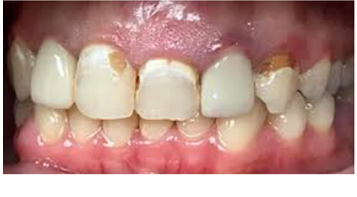
• White spot lesions
• Early enamel demineralization
• Gingival inflammation
• Hidden plaque accumulation beneath trays
These risks increase when aligners are reinserted without brushing or when trays are inadequately cleaned.
Preventive Protocols Are Essential
Dentists should reinforce the following with aligner patients:
• Brush and floss before every aligner reinsertion
• Clean aligners daily using recommended methods
• Avoid sugary or acidic drinks while wearing aligners
• Schedule regular professional monitoring
• Consider fluoride or remineralizing agents for high-risk patients
Aligner therapy must be paired with strict preventive care, not just orthodontic planning.
Clear aligners don’t disrupt the entire oral microbiome—but they create localized environments where plaque can become more aggressive. With proper hygiene guidance and monitoring, these risks are manageable.
The success of aligner therapy depends not only on tooth movement, but also on microbial control and preventive discipline.
REFERANCE
Characteristics of oral microbiota and oral health in the patients treated with clear aligners: a prospective study
https://link.springer.com/article/10.1007/s00784-023-05281-y
Impact of Clear Aligners on Oral Health and Oral Microbiome During Orthodontic Treatment
https://pubmed.ncbi.nlm.nih.gov/37105789/
Effects of clear aligners and traditional removable appliances on oral microbiome in mixed dentition: a comparative study
https://bmcoralhealth.biomedcentral.com/articles/10.1186/s12903-024-05063-2