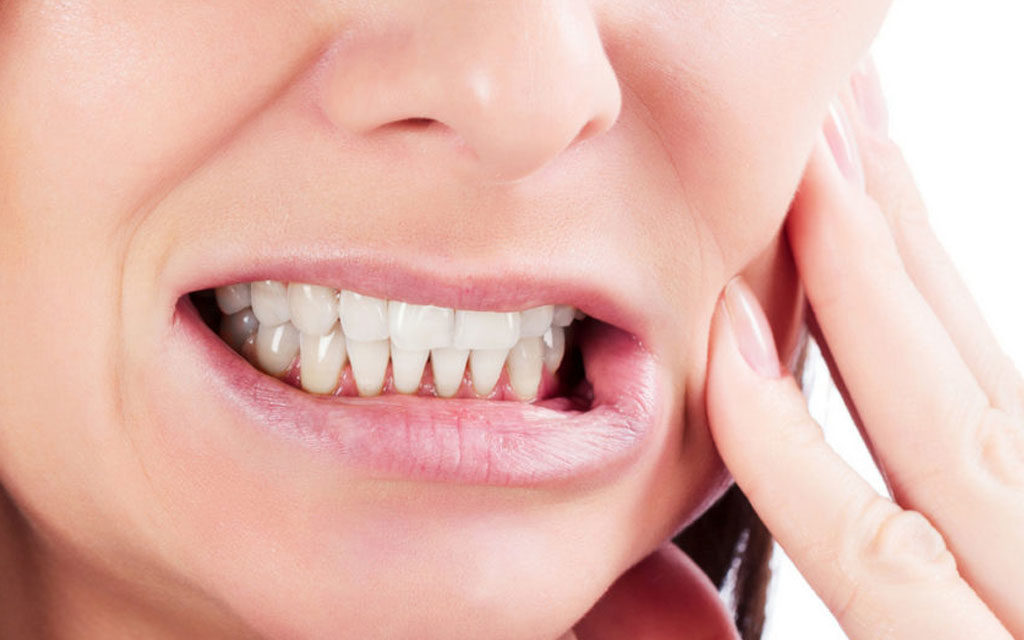
Bruxism-teeth clenching and grinding is a familiar challenge in dental practice. While stress and malocclusion are often the first suspects, an increasingly important and overlooked factor is medication use, particularly Selective Serotonin Reuptake Inhibitors (SSRIs).
With the rising prescription of antidepressants for depression and anxiety, dentists are now more likely than ever to encounter SSRI-associated bruxism. Recognizing this link can make a significant difference in diagnosis, treatment planning, and patient satisfaction.

What Are SSRIs and Why Do They Matter Dentally?
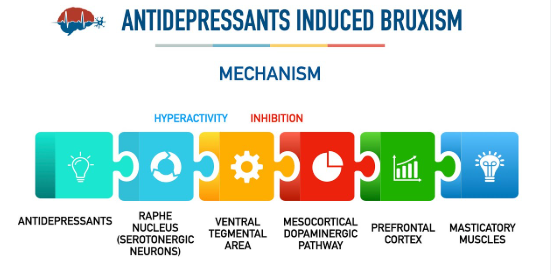
SSRIs are commonly prescribed medications that increase serotonin levels in the brain to improve mood. However, this increase can unintentionally disrupt the balance of other neurotransmitters especially dopamine, which plays a key role in muscle movement and motor control.
This imbalance may lead to involuntary jaw muscle activity, resulting in clenching or grinding of teeth. Bruxism related to SSRIs often begins within weeks of starting the medication or after a dosage increase, and it may occur during sleep or while awake.
Clinical Signs Dentists Should Watch For
Patients using SSRIs may present with:
- Accelerated tooth wear without clear occlusal cause
- Jaw pain, facial muscle soreness, or morning headaches
- Temporomandibular joint discomfort
- Fractured restorations or teeth
- A recent history of antidepressant initiation or change
Many patients do not associate these symptoms with their medication, making the dentist’s role in identification crucial.
The Importance of Medical History in Bruxism Diagnosis
A thorough medical history is one of the most powerful tools in identifying medication-induced bruxism. Asking targeted questions about:
- Antidepressant use
- Duration of therapy
- Timing of symptom onset
can help differentiate SSRI-related bruxism from stress- or occlusion-related causes and prevent unnecessary dental interventions.
Managing SSRI-Associated Bruxism in Dental Practice
When SSRI-induced bruxism is suspected:
- Educate the patient about the possible medication link
- Provide protective appliances such as night guards or occlusal splints
- Monitor tooth wear and muscle symptoms over time
- Communicate with the patient’s physician when appropriate
Dentists should never recommend stopping medications, but they play a vital role in early detection, symptom management, and interdisciplinary care.
Bruxism is multifactorial, and SSRIs are a clinically significant contributor that should not be overlooked. By considering medication history alongside stress and occlusal factors, dentists can deliver more accurate diagnoses, better protect dentition, and improve overall patient outcomes.
References
- Influence of selective serotonin reuptake inhibitors in the development of bruxism: systematic review. PubMed SSRIs & bruxism systematic review
- SSRI-associated nocturnal bruxism in four patients. PubMed SSRI nocturnal bruxism report
- Prevalence of bruxism in SSRI/SNRI users — clinical cross-sectional study. PubMed SSRI/SNRI bruxism prevalence
- Case report: escitalopram-induced bruxism. Escitalopram induced bruxism case report