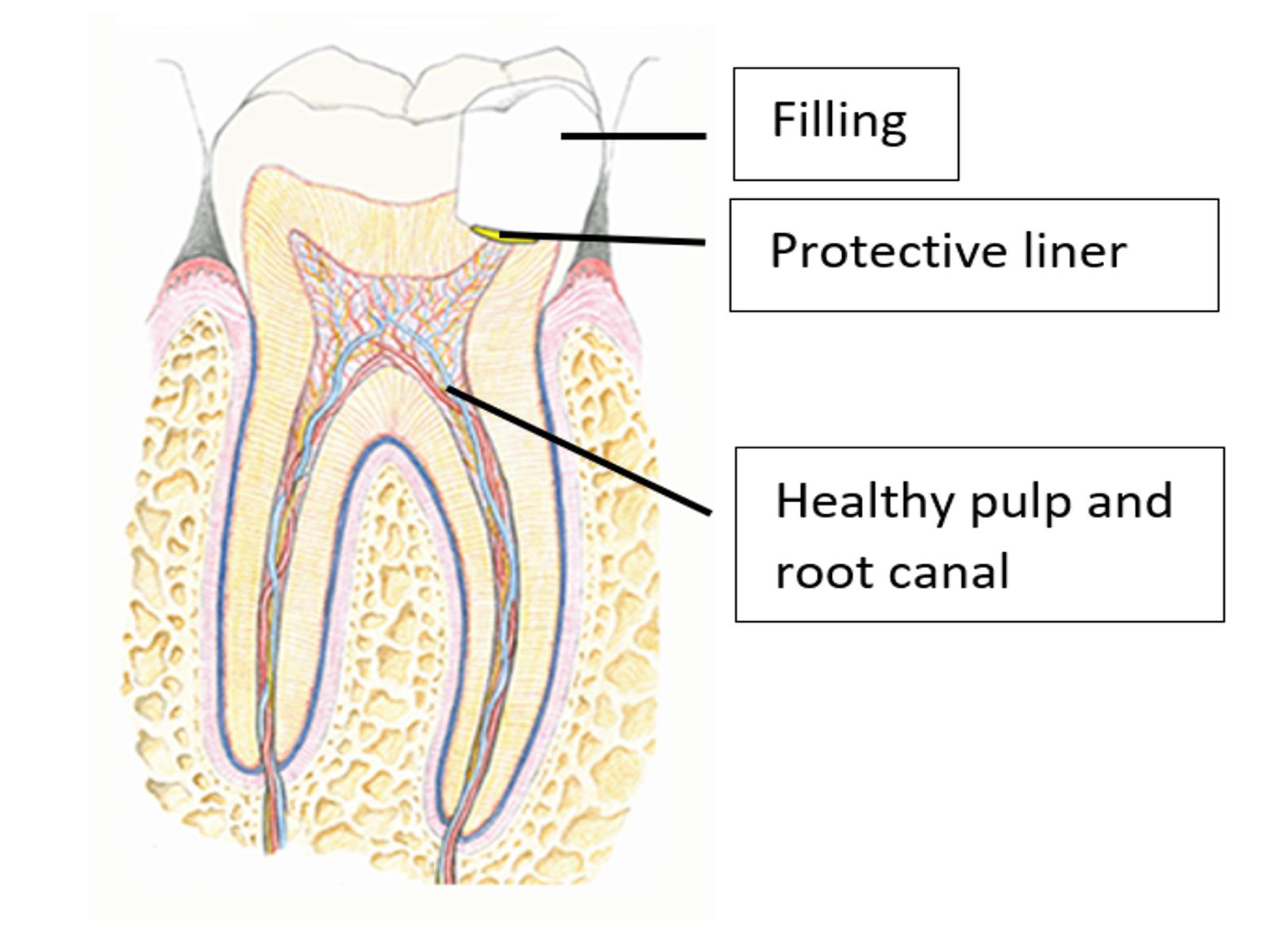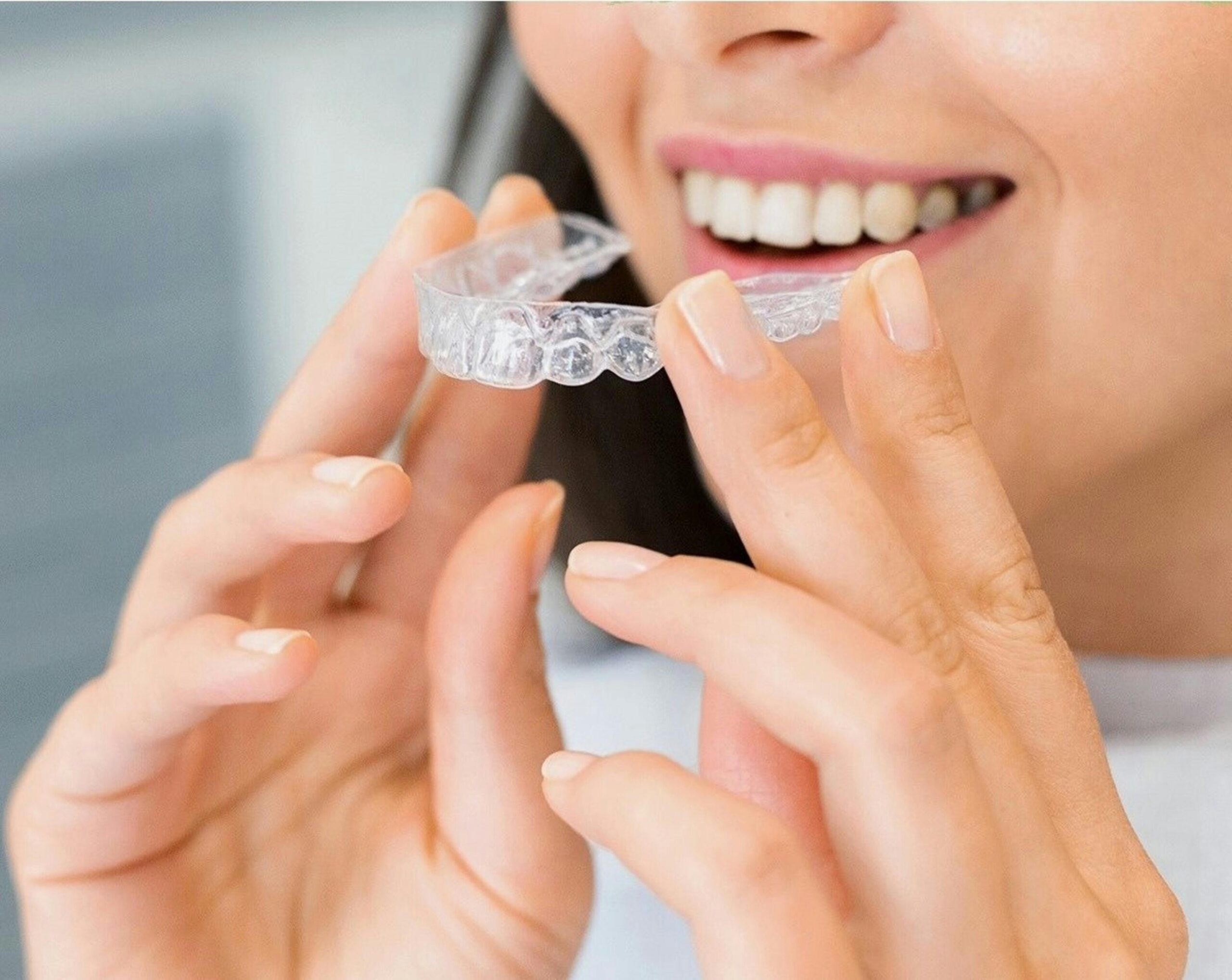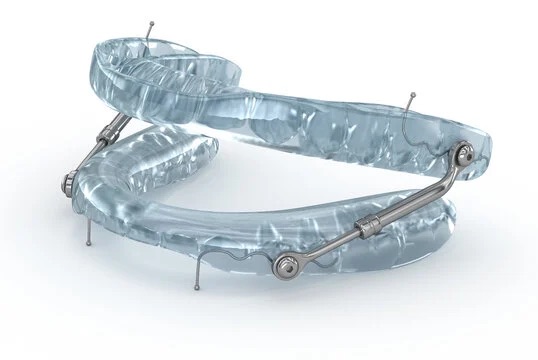
The longevity of dental restorations has always been a central concern in restorative dentistry. From fractures to secondary caries, failures at the tooth–restoration interface can compromise both function and patient satisfaction. A recent study published in the Dental Materials introduces an innovative solution the Medical Device Development Tool (MDDT)—designed to reliably assess the durability of resin–composite systems.
Why Durability Matters in Restorative Dentistry
The interface between natural tooth structure and restorative material is subjected to constant mechanical and thermal stresses. When this junction fails, it can lead to:
- Fractures of the restoration
- Secondary caries due to marginal breakdown
- Loss of retention
- Need for replacement procedures
Accurately predicting these failures is essential for improving material selection and enhancing long-term clinical outcomes.
Introducing the Medical Device Development Tool (MDDT)
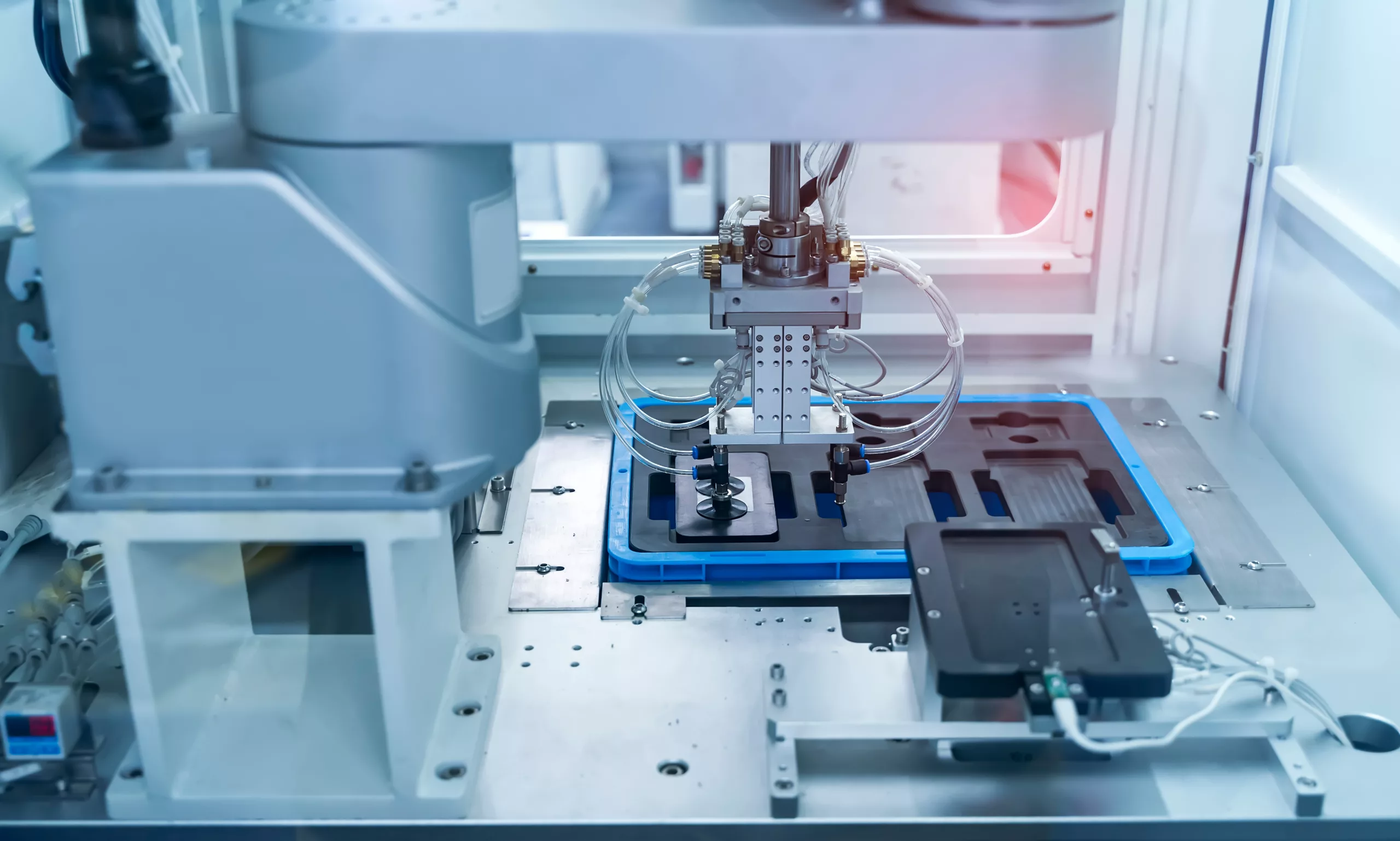
The Medical Device Development Tool (MDDT) represents a significant advancement in the evaluation of dental restorative materials. Developed as an accelerated fatigue testing method, it simulates the repetitive stresses that restorations experience in real-life oral conditions.
Key Features of the MDDT
- Realistic Stress Simulation: Mimics cyclic loading similar to mastication.
- Accelerated Fatigue Testing: Allows prediction of long-term performance within a shorter timeframe.
- High Reproducibility: Ensures consistent and dependable results across different operators.
- Failure Prediction: Enables estimation of restoration survival probabilities.
How the Testing Method Works
The methodology employs small dentin–composite disc specimens that replicate the critical interface between the tooth and restorative material. These specimens are subjected to:
- Cyclic Diametral Compression
- Repetitive compressive forces simulate chewing stresses.
- The load is progressively increased until structural failure occurs.
- Cycles to Failure Measurement
- The number of cycles endured before failure provides insight into material durability.
- Survival Probability Analysis
- Statistical models are used to predict the likelihood of restoration failure over time.
Demonstrating Reproducibility and Reliability
To validate the consistency of the MDDT, the study involved three independent operators, each testing 30 specimens under identical conditions. The findings were remarkable:
- Nearly Identical Mean Cycles to Failure: Demonstrating excellent consistency.
- Aligned Survival Probability Curves: Indicating reliable prediction of failure risk.
- Operator Independence: Confirming that the method produces dependable results regardless of who performs the test.
These outcomes highlight the robust reproducibility of the MDDT, a critical requirement for any tool intended for regulatory and research applications.
Clinical and Research Implications
For Dentists
- Improved Material Selection: Greater confidence in choosing durable restorative materials.
- Enhanced Patient Outcomes: Reduced risk of restoration failure and replacement.
- Evidence-Based Practice: Access to reliable data supporting clinical decisions.
For Researchers and Manufacturers
- Standardized Testing: Facilitates comparison between different resin–composite systems.
- Regulatory Acceptance: Potential use in validating new dental materials.
- Accelerated Product Development: Speeds up innovation while ensuring safety and effectiveness.
Why This Innovation Matters
The introduction of the MDDT marks a pivotal step toward predictive dentistry, where the longevity of restorations can be estimated before clinical use. By bridging the gap between laboratory testing and real-world performance, this tool supports the development of more reliable and durable restorative solutions.
The Medical Device Development Tool (MDDT) offers a consistent, reproducible, and clinically relevant method for assessing the durability of resin–composite restorations. Its ability to simulate real-life stresses and predict failure probabilities positions it as a valuable asset for both clinical practice and dental materials research.
As dentistry continues to evolve toward minimally invasive and long-lasting treatments, innovations like the MDDT pave the way for stronger restorations, fewer failures, and improved patient care.
🦷 Article Title
Can We Predict When a Dental Restoration Will Fail? A New Testing Method Brings Us Closer
🔗 Reference Articles & Links
- Machine Learning for Predicting Restoration Failure
https://www.sciencedirect.com/science/article/pii/S0109564125007663 - AI-Based Prediction Using Electronic Health Records (IADR Study)
https://iadr.abstractarchives.com/abstract/24iags-4005845/machine-learning-approach-in-predicting-restoration-failure-utilizing-electronic-health-records - Accelerated Fatigue Testing of Dental Restorations (PMC Study)
https://pmc.ncbi.nlm.nih.gov/articles/PMC9703530/ - Finite Element Analysis for Predicting Failure (Hong Kong Polytechnic University Study)
https://ira.lib.polyu.edu.hk/handle/10397/84800 - Clinical Causes of Restoration Failure (MDPI Dentistry Journal)
https://www.mdpi.com/2304-6767/12/8/250