No Pain, No Noise, No Fear: Meet the Next-Gen Plasma Dental Tool
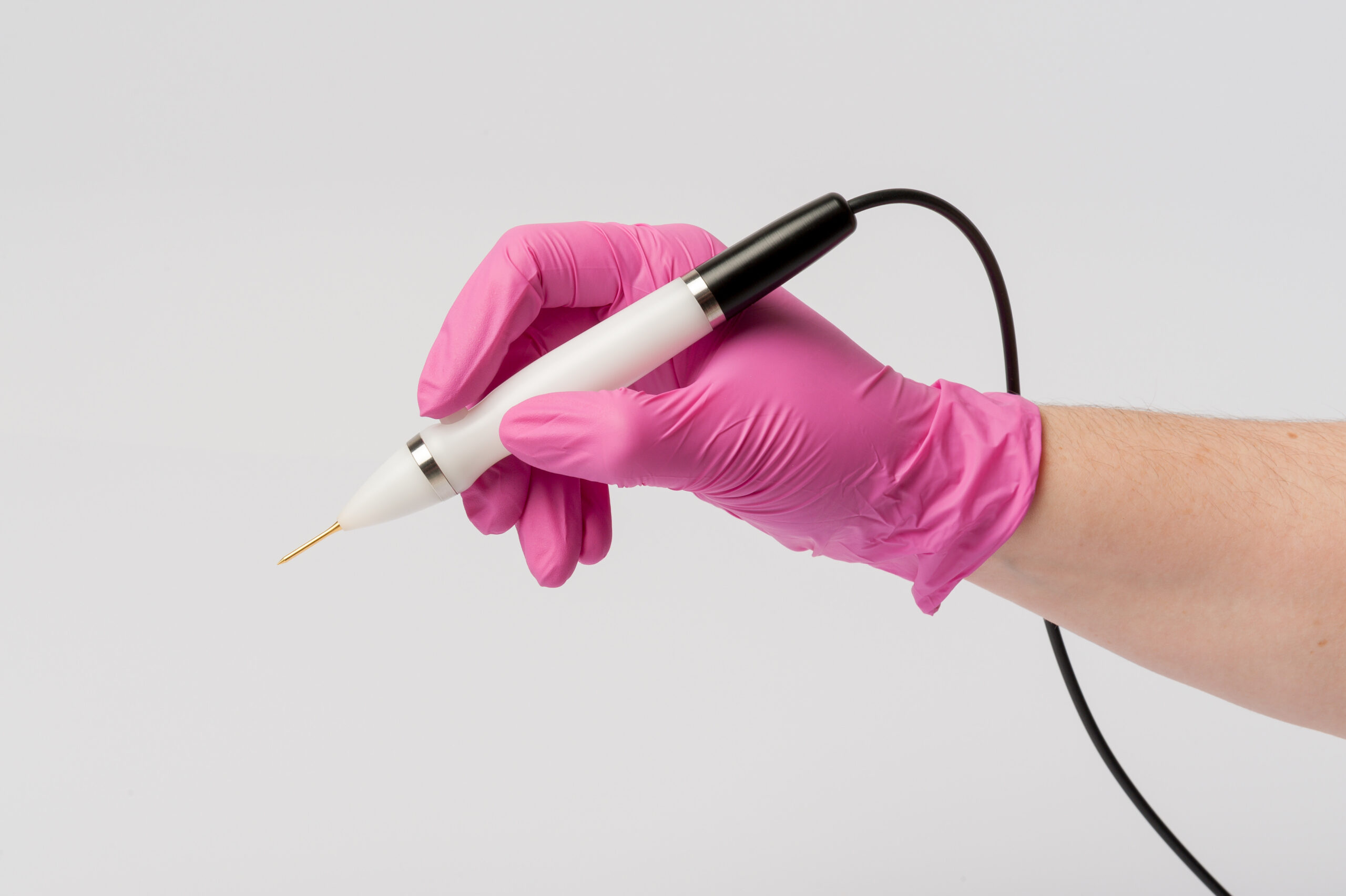
Many people hesitate to visit the dentist because they fear injections, drilling, or pain. Traditional dental tools create heat, vibration, and noise, all of which can make a dental appointment uncomfortable. A new technology called the Plasma Torch Toothbrush, also known as cold plasma dentistry, offers a gentle and painless way to treat teeth. This method works without the need for drilling or injections, making dental visits far more comfortable and stress free.
What Is Plasma?
Plasma is often referred to as the fourth state of matter. It forms when gas becomes energized and breaks into tiny charged particles capable of reacting with bacteria and surface contaminants. Cold atmospheric plasma, or CAP, is a special type of plasma that remains cool even during operation. Because it does not generate heat, it is safe for use on teeth, gums, and other oral tissues. This cool, controlled plasma stream can disinfect, clean, and prepare surfaces without causing any burns or discomfort.
Plasma in Dentistry
Cold plasma has the ability to kill bacteria extremely quickly while reaching areas that are difficult for traditional tools to access. It cleans deeply and effectively, removes stains and proteins from the tooth surface, and improves the way dental materials bond to teeth. Since plasma works without heat, vibration, or drilling, patients feel far more relaxed during procedures. This technology supports many areas of modern dentistry where precision and patient comfort are important.
A Pain-Free Experience for Patients
One of the greatest advantages of plasma dentistry is the reduction or complete elimination of pain during dental treatment. Most procedures can be carried out without injections because the plasma stream is cool and gentle. Patients do not feel vibration or hear loud drilling sounds, which significantly reduces anxiety. Plasma allows dentists to remove harmful bacteria and clean infected areas while preserving healthy tooth structure. This approach fits well with modern minimally invasive dental practices and makes dental visits easier for children, seniors, and anxious adults.
Powerful Cleaning and Sterilization
Cold plasma produces reactive molecules that damage bacterial and fungal cells. These molecules penetrate deeply into cracks, pores, and irregular surfaces that regular cleaning tools or chemical disinfectants cannot reach. Studies show that plasma can eliminate cavity-causing bacteria such as Streptococcus mutans, root canal–associated organisms such as Enterococcus faecalis, and fungal infections like Candida albicans. These strong disinfecting properties make plasma especially effective for cleaning dental cavities, treating infected gums, and ensuring better root canal sterilization.
Better Bonding for Fillings and Restorations
When cold plasma is applied to a tooth before a filling is placed, it helps remove the smear layer and improves the surface for adhesion. This enhances the chemical bond between dental adhesives and the natural tooth structure. Research shows that the bond between dentin and composite can improve by nearly 60 percent after plasma treatment, which means stronger, longer-lasting restorations with fewer failures. This leads to improved clinical outcomes and greater patient satisfaction.
Plasma and Tooth Whitening
Cold plasma has also shown excellent results in tooth whitening. When used with whitening gels such as hydrogen peroxide, plasma increases the release of whitening molecules, which speeds up and enhances the bleaching process. Plasma remains cool during whitening, preventing the rise in temperature that normally causes sensitivity. Because it removes surface proteins and improves bleaching agent penetration, plasma-assisted whitening produces brighter and more even results in a shorter period of time, all while keeping the procedure comfortable and safe.
Root Canal Treatment Made Easier
Root canals are challenging because bacteria can hide deep inside tiny dentinal tubules. Cold plasma can enter these narrow spaces and kill bacteria more effectively than conventional disinfectants. Plasma jets designed for endodontic treatment can be placed inside the canal without causing heat or discomfort. The enhanced cleaning helps lower the risk of treatment failure and promotes better healing. This makes plasma a promising tool for more predictable and successful root canal therapy.
Other Uses in Dentistry
Cold plasma also plays a role in soft tissue care, implant dentistry, and prosthetic preparation. It has been effective in treating fungal infections such as denture stomatitis. Plasma can also help dental implants bond better by improving surface cleanliness and increasing biocompatibility. In addition, it supports the attachment of antibacterial agents and other beneficial coatings onto implant surfaces. Because plasma can safely modify and clean many types of materials, it is becoming an important tool in several dental specialties.
Limitations and Challenges
Although plasma dentistry offers many advantages, it is still an emerging technology. The devices can be expensive, and dentists must be trained properly to use them. Plasma may interfere with old amalgam fillings in some cases, and not all clinics currently have access to this technology. Despite these challenges, research continues to grow, and more affordable, user-friendly devices are expected in the future.
The Emerging Future of Plasma in Dentistry
Cold atmospheric plasma represents one of the most promising advances in modern dentistry. It allows painless treatment, deep cleaning, and better bonding for dental restorations. It also offers safer tooth whitening, improved root canal results, and effective management of oral infections. As this technology becomes more widely available, both patients and dentists can look forward to a future filled with more comfortable, gentle, and successful dental treatments.
Reference
Based on information from the article:
“Plasma Torch Toothbrush: A New Insight in Fear Free Dentistry”
Available at: https://www.ncbi.nlm.nih.gov/pmc/articles/PMC4129310/