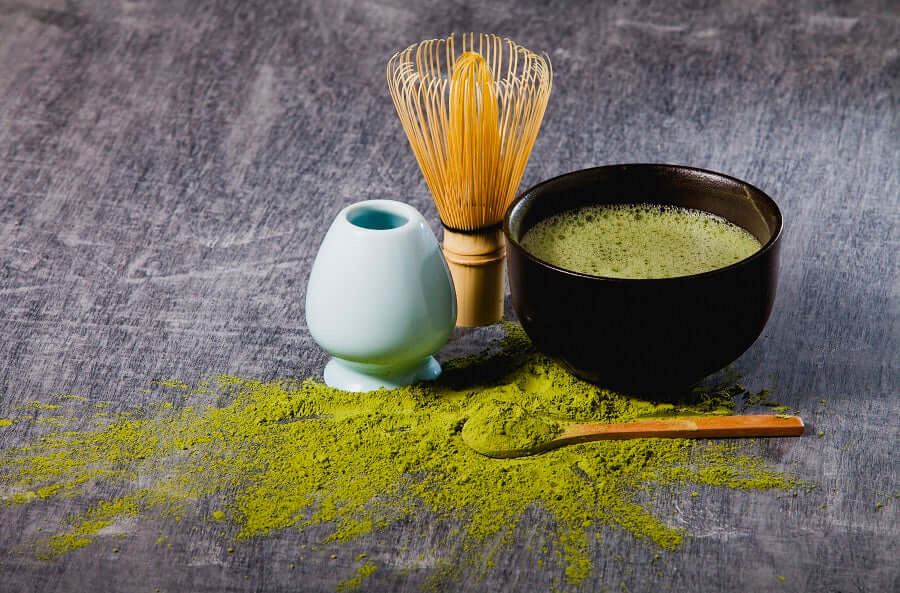
A group of researchers from Japan has discovered that matcha — the famous powdered green tea known for its health benefits — may also help protect your gums from harmful bacteria linked to serious dental disease.
The study was conducted by scientists from the Nihon University School of Dentistry at Matsudo along with researchers from the National Institute of Infectious Diseases and other Japanese institutions. Their findings were published in Microbiology Spectrum, a journal of the American Society for Microbiology.
The researchers investigated whether matcha extract could stop the growth of Porphyromonas gingivalis — one of the main bacteria responsible for periodontitis, a severe form of gum disease that can lead to tooth loss and other health complications.
How Researchers Tested Matcha Against Oral Bacteria
The scientists created a special matcha-based mouthwash and tested it against 16 different types of oral bacteria in laboratory experiments.
The results were impressive.
Within hours, the matcha extract destroyed nearly all cultured P. gingivalis cells, showing strong antibacterial activity.
Even more interesting, the matcha solution had very little effect on beneficial oral bacteria, helping preserve the mouth’s natural microbial balance.

Clinical Study on Patients With Gum Disease
The research team then carried out a clinical study involving 45 people diagnosed with chronic periodontitis.
Participants were divided into three groups:
- One used a barley tea mouthwash
- One used a matcha mouthwash
- One used a medicated anti-inflammatory rinse
After using the rinses twice daily, saliva samples were analyzed.
The patients using the matcha mouthwash showed a significant reduction in harmful P. gingivalis bacteria compared to the other groups.
These findings suggest matcha may support healthier gums when combined with proper dental care.
Why Matcha Could Be Valuable for Oral Health
Matcha is made from the leaves of Camellia sinensis, a green tea plant rich in:
- Antioxidants
- Polyphenols
- Natural antimicrobial compounds
Scientists believe these substances may help:
Reduce harmful oral bacteria
Lower inflammation
Support gum health
Improve overall oral hygiene
Although more human studies are needed, researchers believe matcha shows promising potential as a natural addition to preventive dental care.
Could Matcha Become the Future of Natural Oral Care?
Modern dentistry is increasingly exploring natural ingredients alongside advanced dental treatments.
From probiotic toothpaste to herbal rinses, researchers are searching for safer and more effective ways to maintain oral health.
Matcha may become one of those future-friendly ingredients.
While it should not replace brushing, flossing, or professional dental treatment, this green tea powder could eventually play an important role in supporting healthier gums naturally.
Reference