
Transforming “It’s expensive” into confident treatment acceptance
In a growing dental practice, price objections are inevitable. Even when your
diagnosis is accurate and your treatment plan is ideal, patients may hesitate
the moment cost is discussed.
However, it is important to recognize this clearly:
Most price objections are not about money-they are about trust, clarity, and
confidence.
Understanding the Real Concern
When a patient says, “It’s expensive,” it often reflects underlying thoughts such
as:
Lack of complete understanding of the procedure
Uncertainty about the necessity of treatment
Fear of outcomes or discomfort
Comparison with other clinics offering lower fees
Addressing the price alone does not resolve these concerns.
Addressing the patient’s perception and confidence does.
A Strategic Shift in Approach
Instead of focusing on defending the cost, clinicians should focus on
strengthening patient trust.
“How do I justify this fee?”
“How do I help the patient feel confident about this decision?”
Patients are not just evaluating treatment,they are evaluating you, your
expertise, and your intent.
A Practical Framework for Handling Price Objections
- Acknowledge Without Defensiveness
Avoid reacting immediately with justification. A calm acknowledgment helps
reduce resistance.
“I understand your concern. Let’s go through it together.”
This creates a collaborative tone rather than a transactional one. - Explore the Underlying Concern
Encourage the patient to express their hesitation.
Ask open-ended questions:
o “What concerns you most about this treatment?”
o “Would you like me to explain this in more detail?”
This step shifts the interaction from selling to understanding. - Re-emphasize the Clinical Need
Redirect the conversation from cost to condition and consequences.
Explain the current issue clearly
Highlight risks of delaying treatment
Connect treatment benefits to patient-specific outcomes
Patients are more likely to accept treatment when they understand its
relevance and urgency. - Simplify the Explanation
Clarity builds confidence. Avoid technical overload.
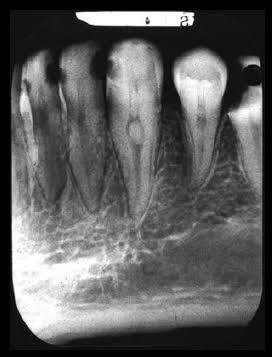
Use visual aids (radiographs, intraoral images)
Show similar case examples
Use simple, relatable analogies
A well-informed patient is more likely to proceed without hesitation.
- Provide Flexible Pathways
Allow the patient to feel in control of their decision.
Offer phased treatment options where feasible
Encourage them to take time if needed
Reassure them that your goal is long-term benefit
Autonomy enhances trust and reduces pressure.
Effective Communication Statements
Incorporating the right language can significantly influence patient perception:
“My goal is to help you make the best decision for your oral health.”
“I recommend this option because it offers better longevity and fewer
future complications.”
“We can plan this in stages if that makes it more comfortable for you.”
Common Mistakes to Avoid
Certain responses can unintentionally reduce your perceived value:
Immediate discounting without discussion
Comparing your pricing with other clinics
Using excessive technical jargon
Appearing defensive or overly persuasive
Maintaining professionalism and confidence is essential.
The Role of Trust in Practice Growth
Clinics that consistently achieve high case acceptance share a common factor:
Strong patient trust
This leads to:
Increased acceptance of comprehensive treatment plans
Higher patient retention
More word-of-mouth referrals
Over time, pricing becomes a secondary consideration when trust is
established.
A price objection should not be viewed as a rejection, but as an opportunity to
communicate more effectively.
By focusing on:
Patient education
Clear communication
Empathy and transparency
you can transform hesitation into confidence.
Patients rarely reject the cost—they hesitate when they are unsure. Build
clarity and trust, and acceptance will naturally follow.