Dry mouth is one of the most underdiagnosed conditions in dental practice. Patients often adapt to reduced salivary flow, making it easy to overlook until complications appear. However, hyposalivation can be an early indicator of both oral and systemic health issues.
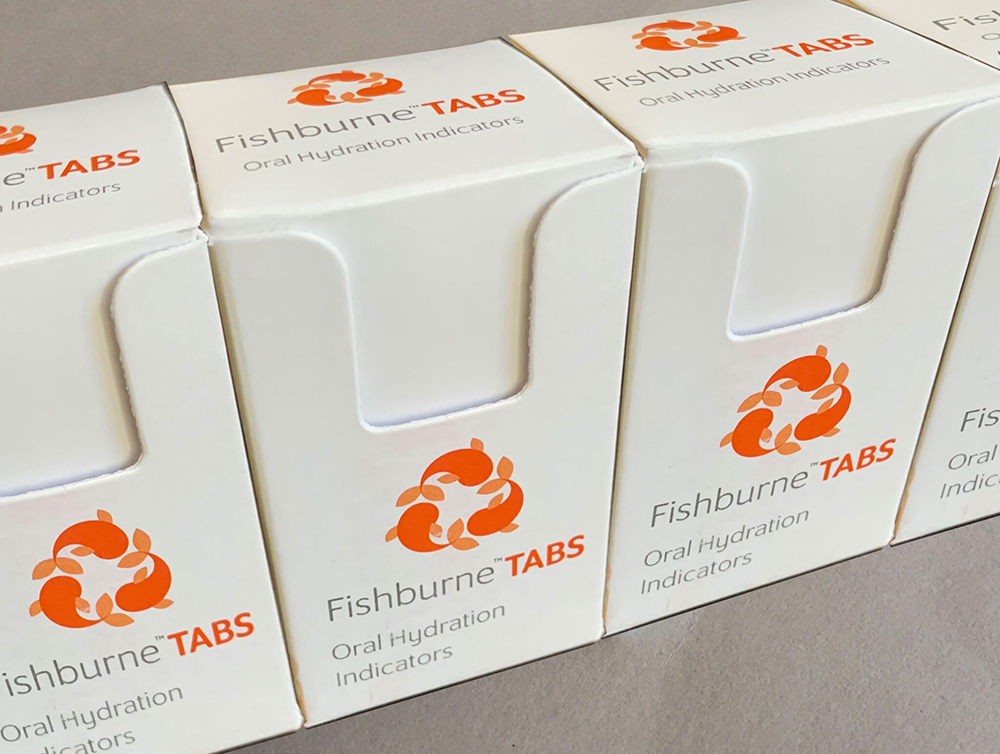
A recently introduced solution, the FishburneTabs OH, developed by Fishburne May LLC, provides a simple and objective way to evaluate saliva levels chairside.
Who Developed It
This tool was invented by Dr. David Fishburne, a dentist who identified the need for a quick, consistent, and clinically practical method to assess salivary function. It is designed for use by both dentists and physicians, helping improve interdisciplinary diagnosis.
Why This Matters in Clinical Practice
Hyposalivation is associated with:
- Increased risk of dental caries and candidiasis
- Difficulty in speech, mastication, and swallowing
- Side effects of medications and polypharmacy
- Systemic conditions such as diabetes and autoimmune diseases
What Makes This Tool Unique
- Rapid 3-minute chairside screening
- Non-invasive and patient-friendly
- Measures total saliva from all salivary glands
- Can be repeated to track individual trends over time
How It Works
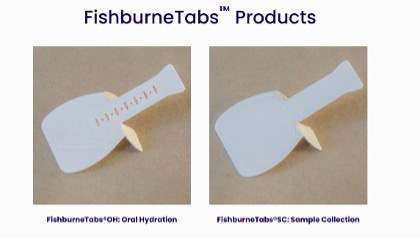
The FishburneTabs OH uses a specially designed absorbent material to measure the total saliva present in the mouth in a quick and standardized way.
- The tab is placed in a specific position inside the mouth
- It stays in place for about 3 minutes
- During this time, saliva from all major and minor salivary glands is naturally absorbed into the material
- The absorption occurs through capillary action, ensuring consistent uptake
- The collected saliva is not visible externally, but the device reflects the overall saliva volume
What It Indicates
- Higher absorption indicates adequate salivary flow
- Lower absorption suggests reduced saliva (hyposalivation)
- Repeated tests help track changes and trends over time
Clinical Benefits for Dentists
- Early detection of xerostomia
- Better preventive care planning
- Identification of underlying systemic conditions
- Improved patient education and acceptance
Dry mouth should no longer be considered a minor complaint. It plays a critical role in both oral and systemic health, and early detection can significantly improve patient outcomes. Tools like this make it easier to incorporate salivary assessment into routine practice without adding complexity.
Reference