The Cosmetic Dental Trend That Turned Into a Medical Emergency
A brighter smile is supposed to boost confidence — not send someone to the emergency room coughing blood.
But that’s exactly what happened in a shocking case involving a 55-year-old woman who developed a tumor-like airway obstruction after a professional teeth whitening procedure using 35% hydrogen peroxide.
What doctors initially feared was bronchogenic carcinoma (lung cancer) turned out to be something far more unexpected:
A severe airway injury potentially linked to accidental inhalation or exposure to high-concentration dental whitening chemicals.
The Symptoms Started Right After Whitening
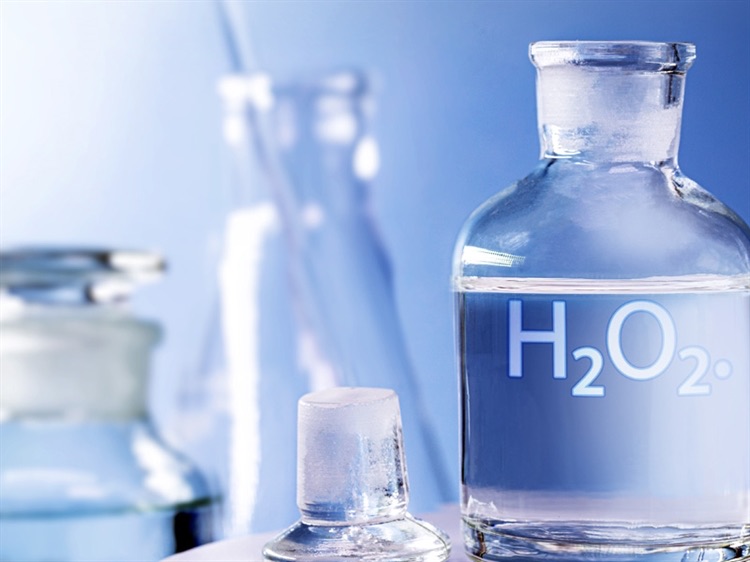
A 55-year-old North African woman underwent a dental bleaching procedure using 35% hydrogen peroxide (H₂O₂) — a concentration commonly used in in-office whitening systems.
Soon afterward, she experienced:
- Severe throat pain
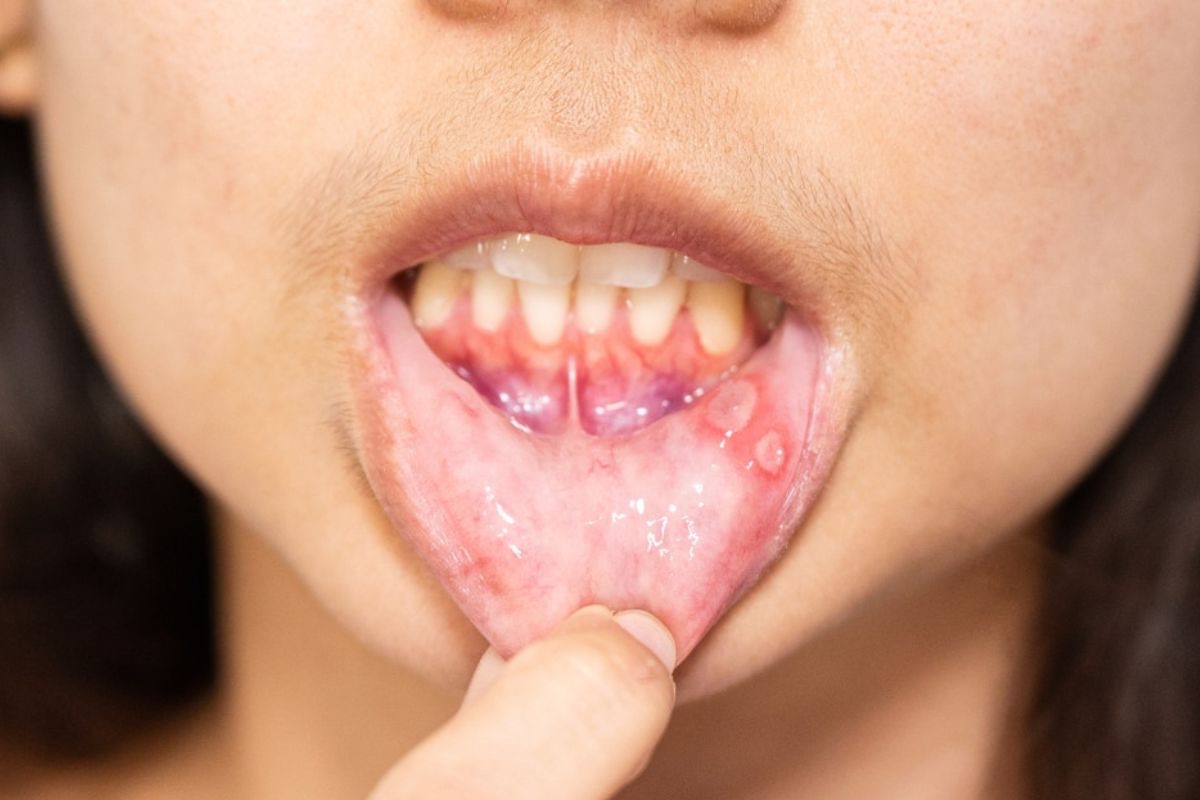
- Oral ulcerations
- Intense coughing
- Persistent dry cough lasting 3 months
- Shortness of breath
- Episodes of hemoptysis (coughing blood)
Eventually, she was rushed to the hospital with:
Massive Hemoptysis
Doctors discovered that part of her left lung had collapsed due to what appeared to be a soft-tissue lesion obstructing the bronchus.
On CT imaging, the obstruction looked frighteningly similar to a tumor.
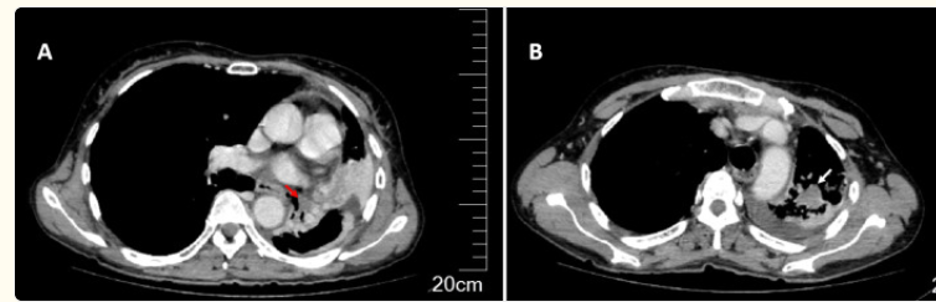
Axial chest CT images (a, b) demonstrating an intraluminal hypo-enhancing soft-tissue density lesion within the left lower lobar bronchus (red arrow), with a complete collapse of the left lower lobe. A separate posterior heterogeneous hypoattenuating left upper lobe parenchymal consolidation is also observed (white arrow), with a small associated pleural effusion
Why Doctors Initially Suspected Cancer
The patient’s symptoms checked nearly every red flag for lung malignancy:
- Chronic cough
- Blood in sputum
- Lung collapse (atelectasis)
- Endobronchial obstruction
- Abnormal chest CT findings
The report specifically states that the condition:
“Strongly mimicked bronchogenic carcinoma.”
Even specialists were concerned the lesion could be cancerous.
The Twist That Changed Everything
During follow-up discussions, the patient finally mentioned an important detail:
She had recently undergone professional teeth whitening.
The procedure reportedly involved 35% hydrogen peroxide, after which she immediately developed severe throat irritation and violent coughing.
The Most Shocking Part?
The “tumor” disappeared.
After bronchoscopy and expectoration of thick mucus, follow-up CT scans showed:
Complete resolution of the obstruction
Full lung re-expansion
No persistent mass
No recurrence of symptoms
The lesion that looked like cancer was ultimately considered a pseudotumoral obstruction caused by airway injury.
HOW did teeth whitening chemicals affect the lungs?
The whitening procedure used 35% hydrogen peroxide — a very strong bleaching chemical. If tiny droplets, vapors, or aerosols are accidentally inhaled during treatment, they can irritate and chemically burn the airway lining.
This causes:
➡️ Oxidative tissue damage
➡️ Severe inflammation inside the bronchi
➡️ Thick mucus formation
➡️ Airway swelling & blockage
➡️ Bleeding (hemoptysis) in severe cases
In this patient, doctors believe the peroxide triggered a thick mucus plug that looked like a lung tumor on CT scans and even caused part of the lung to collapse.
What Makes This Case So Important for Dentistry?
The authors emphasized that hydrogen peroxide is generally considered safe when used correctly.
However, they warned that high-concentration peroxide exposure to the airway can potentially cause severe complications, especially if aspiration or aerosol inhalation occurs.
The report notes:
“Awareness of such iatrogenic exposures is essential when evaluating unexplained hemoptysis and atelectasis.”
This may be one of the first documented cases where dental whitening exposure mimicked an endobronchial tumor.
Lessons for Dental Professionals
This case is a reminder that cosmetic dentistry is still healthcare — not just aesthetics.
Dentists should:
- Use strict isolation protocols
- Minimize aerosol exposure
- Prevent aspiration risks
- Monitor patients carefully during bleaching
- Educate patients on warning symptoms after treatment
Warning Signs You Should Ask Patients to Never Ignore
Seek urgent medical attention after whitening procedures if you experience:
- Persistent coughing
- Breathing difficulty
- Chest pain
- Blood in sputum
- Severe throat burning
- Ongoing oral ulcerations
The report does not claim that professional whitening is broadly unsafe.
But it strongly highlights an important reality:
High-concentration peroxide chemicals can cause serious tissue injury if accidentally inhaled or improperly handled.
And in rare cases, the consequences may mimic life-threatening disease.
She went for a simple teeth whitening session… and ended up coughing blood
Doctors even suspected LUNG CANCER after scans showed a tumor-like blockage in her airway
The shocking cause? High-concentration whitening chemicals accidentally affecting her lungs
Thankfully the “tumor” disappeared later — but the case has stunned doctors worldwide.
Read this before your next whitening appointment
Referance
- Official Published Case Report (NCBI / Cureus)
NCBI Case Report – Hydrogen Peroxide Inhalation During Dental Whitening