What if the solution to chronic bad breath in children wasn’t another mouthwash or toothpaste — but a combination of plant extract and blue light?
That’s exactly what researchers in Brazil are now investigating after a new study revealed promising results using an innovative therapy designed to fight halitosis in children who breathe through their mouths.
The research, backed by Fundação de Amparo à Pesquisa do Estado de São Paulo, tested a treatment known as antimicrobial photodynamic therapy — a technique that uses light to activate bacteria-fighting compounds inside the mouth.
And one unusual ingredient stole the spotlight: annatto.
What Is Annatto?
Annatto is a natural reddish-orange pigment extracted from the seeds of the tropical plant Bixa orellana, commonly known as achiote or urucum. It’s often used as a food coloring, but scientists are now exploring its medical potential.
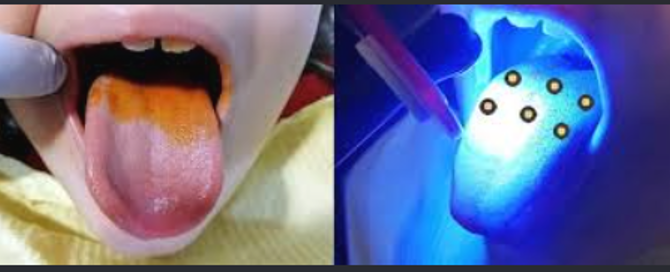
In the study, annatto acted as a photosensitive compound. Once activated with blue LED light, it helped destroy odor-causing bacteria linked to persistent bad breath.
Why Mouth-Breathing Children Are at Higher Risk
Children who primarily breathe through their mouths often experience:
- Dry mouth
- Reduced saliva production
- Increased bacterial buildup
- Tongue coating and unpleasant odor
Traditional treatments may temporarily mask symptoms, but they don’t always target the underlying microbial imbalance.
Researchers believe this new technique may offer a more targeted and long-lasting approach.
How the Treatment Works
The therapy follows a simple but highly scientific process:
- A solution containing annatto is applied inside the mouth
- Blue LED light activates the natural compound
- Reactive molecules attack harmful oral bacteria
- Breath odor and bacterial activity are reduced
Because the treatment is non-invasive and does not rely heavily on medication, experts say it could become especially useful in pediatric dentistry.
Why Scientists Are Excited
The biggest advantage of this therapy is that it combines:
- Natural plant-based ingredients
- Modern light technology
- Minimal discomfort
- Reduced chemical exposure
Researchers say the findings suggest antimicrobial photodynamic therapy could eventually become an alternative treatment for children struggling with recurring halitosis.
Some experts also believe similar therapies may later expand into treatments for:
- Gum infections
- Oral inflammation
- Dental plaque control
- Other bacterial mouth conditions
A New Direction for Pediatric Oral Health
Although more clinical studies are needed, the early results are generating excitement in the dental research community.
For many families, chronic bad breath can affect a child’s confidence, social interactions, and emotional well-being. Discoveries like this may help shift future treatment strategies away from temporary symptom control and toward long-term oral health solutions.
References