For decades, fluoride has been one of dentistry’s most powerful allies in the fight against dental caries. From fluoridated toothpaste to community water fluoridation, it has helped dramatically reduce tooth decay worldwide.
But beyond enamel and cavities, researchers have also been exploring an interesting question: Can fluoride influence other systems in the body, especially hormones?
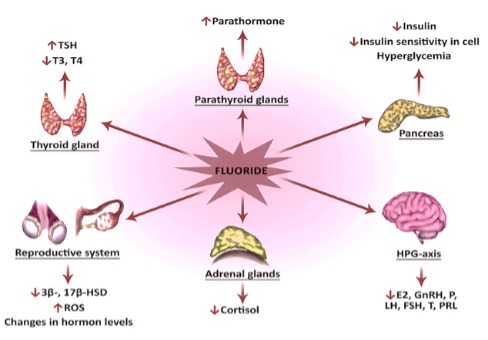
Recent discussions in medical research are looking at how fluoride may interact with parts of the endocrine system-the network of glands that control hormones affecting metabolism, sleep, growth, and reproduction.
Fluoride and Hormonal Health
Thyroid Function
The thyroid gland produces two important hormones: T3 (Triiodothyronine) and T4 (Thyroxine) that regulate metabolism and energy balance. Some studies suggest that high fluoride exposure may interfere with iodine’s role in hormone production. This may lead to reduced T3 and T4 levels and increased release of TSH (thyroid-stimulating hormone) from the pituitary gland.
Key observations in some studies:
• Increased TSH levels
• Higher risk of hypothyroidism
• Greater metabolic disturbances
• Effects more noticeable in populations with low iodine intake
Pituitary Gland Response
The pituitary gland, known as the body’s “master gland,” regulates many hormonal systems. When thyroid hormone levels drop, it releases TSH to stimulate the thyroid gland. Some researchers suggest fluoride may indirectly influence this feedback system under conditions of high exposure.
Possible influence on:
• Metabolic regulation
• Hormonal signaling
• Growth and developmental processes
Pineal Gland and Sleep
Fluoride can accumulate in calcified tissues such as the pineal gland, which produces melatonin, the hormone controlling sleep cycles.
Researchers are studying whether this accumulation may affect:
• Melatonin production
• Sleep patterns
• Circadian rhythm regulation
Insulin and Blood Sugar
Some experimental research suggests that high fluoride exposure may interact with the pancreas, the organ responsible for insulin production.
Possible effects being investigated include:
• Changes in insulin secretion
• Altered glucose metabolism
• Blood sugar regulation
Reproductive Hormones
Another area of investigation is fluoride’s potential influence on sex hormones. Some experimental studies suggest possible effects on:
• Testosterone levels
• Estrogen regulation
• Puberty timing
Most findings currently come from animal studies, and stronger human evidence is still needed.
Brain Development
Environmental health studies have also explored whether very high fluoride exposure could influence brain development and cognitive function in children.
Research has examined links with:
• Cognitive development
• Brain maturation
• Learning outcomes
However, these findings are generally associated with very high exposure levels, often higher than those used in dental care or recommended drinking water.
Why This Matters for Dentists
As oral health professionals, dentists are often the first to recommend fluoride use. Understanding the broader scientific discussions allows dentists to provide balanced, evidence-based advice when patients raise questions about fluoride safety.
Importantly, major public health organizations continue to support fluoride use because of its clear and proven benefits in preventing tooth decay.
Safe and Effective Fluoride Use
Dental and public health guidelines recommend:
• Brushing twice daily with fluoride toothpaste
• Using a pea-sized amount for children
• Drinking water with optimal fluoride levels
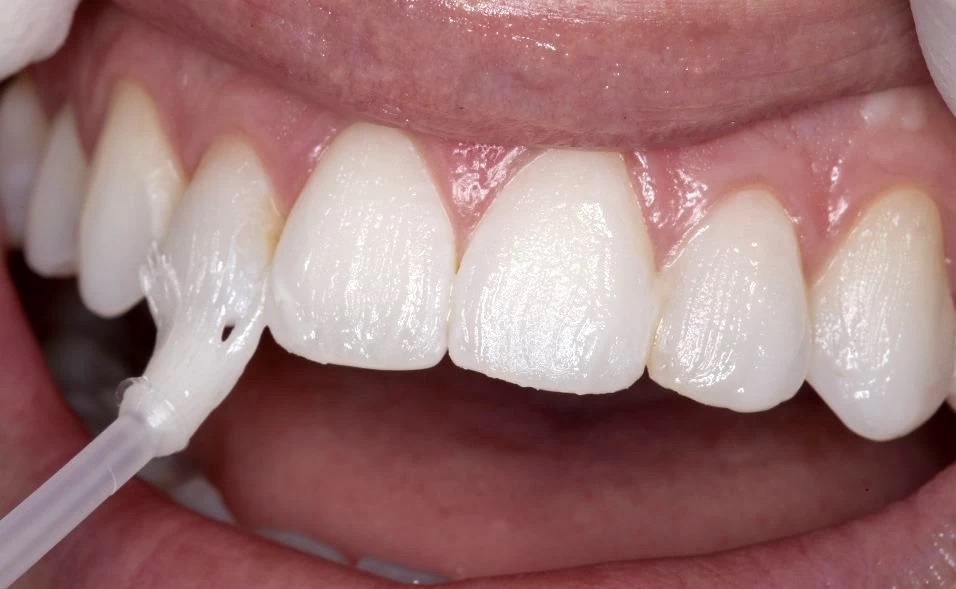
• Professional fluoride treatments when needed
When used in recommended amounts, fluoride remains one of the most effective and affordable preventive tools in dentistry.
While research continues to explore fluoride’s interaction with various biological systems, current scientific consensus confirms that fluoride used at recommended levels is safe and highly effective for preventing dental caries. Staying informed about evolving research helps dentists guide patients with clarity and confidence.
References
- “Fluoride’s Effect on the Pituitary Gland” – Medical News Today
https://www.medicalnewstoday.com/articles/fluoride-pituitary-gland - “Fluoride Exposure and Thyroid Function: A Systematic Review” – Journal of Trace Elements in Medicine and Biology
https://www.sciencedirect.com/science/article/pii/S0946672X20302277 - “Association Between Fluoride Exposure and Neurodevelopment in Children” – Environmental Health Perspectives
https://ehp.niehs.nih.gov/doi/10.1289/EHP655