Tooth decay and cavities are among the most common health problems worldwide, affecting people of all ages.
But what if there was a naturally occurring nutrient in your body that could help protect your teeth? Recent research points to arginine, an amino acid found in saliva and many common foods, as a potential game-changer in oral care.
What Is Arginine and Why Should You Care?
Arginine is a naturally occurring amino acid present in the body and many foods such as turkey, chicken, dairy, nuts, and seeds. Beyond its role in protein production, it plays an important part in oral health.
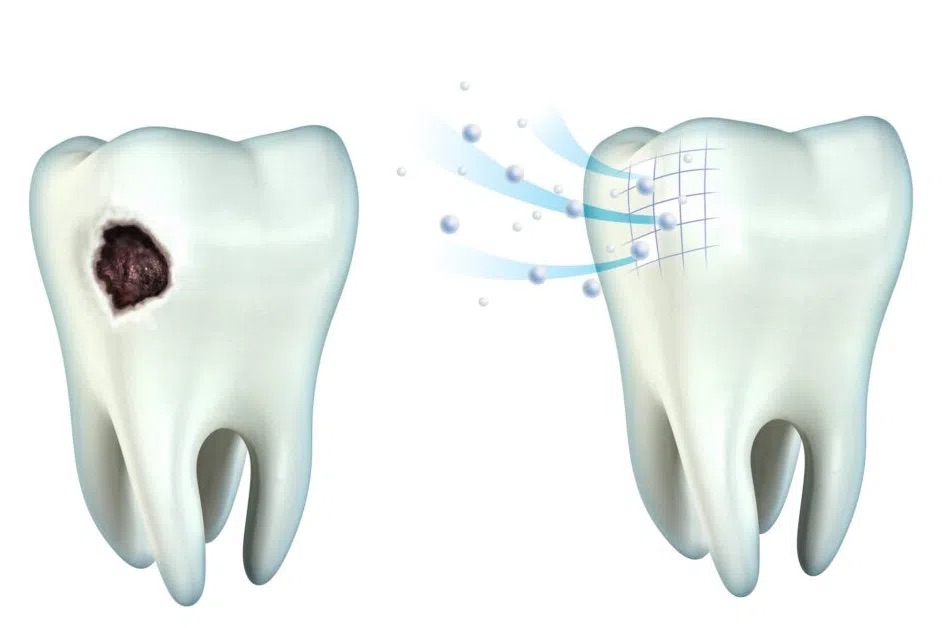
Dental plaque forms when bacteria in the mouth feed on sugars from the diet, producing acid that erodes tooth enamel. Over time, this leads to cavities and other dental problems.
Here’s where arginine comes in: it helps neutralize plaque acid, supports “good” oral bacteria, and reduces the growth of harmful, cavity-causing bacteria. In other words, it creates a friendlier environment for your teeth.
How Arginine Works in the Mouth
Researchers from Aarhus University, Denmark, conducted a study to understand how arginine affects dental plaque. They collected plaque samples (biofilms) using special dentures worn by participants with active cavities. Then, they exposed the biofilms to sugar and treated them with either arginine or a placebo solution.
Key findings included:
- Reduced acidity: Biofilms treated with arginine had a higher pH, meaning they were less acidic and less damaging to enamel.
- Healthier bacterial balance: Arginine promoted the growth of beneficial bacteria while reducing acid-producing species.
- Less harmful plaque structure: Arginine altered the carbohydrate composition of plaque, reducing “acidic pockets” that lead to decay.
By shifting the oral microbiome toward a healthier balance, arginine could be a natural ally in preventing cavities, especially in children.
Why This Matters for Children and Adults
One of the most exciting aspects of arginine is that it is safe for use in children’s oral care products. Unlike some chemical agents, arginine is naturally present in the body and doesn’t carry harmful side effects when used appropriately.
Imagine a toothpaste or mouthwash enhanced with arginine. Regular use could reduce the risk of cavities, especially for children who are prone to frequent snacking and may not always brush effectively. For adults, arginine can complement daily oral hygiene routines, supporting long-term dental health.
The Science Behind It: Neutralizing Acid
Bacteria in plaque produce acid when they metabolize sugars. Arginine acts as a buffer, helping beneficial bacteria convert it into alkaline compounds that neutralize acid. This not only protects enamel but also discourages harmful bacteria from multiplying.
The study also observed changes in the structure of plaque, particularly in carbohydrates like fucose and galactose. These components are often associated with creating acidic micro-environments within plaque. Arginine helped reduce these harmful formations, making plaque less decay-promoting.
Future Implications for Dental Care
This research opens exciting possibilities for the dental industry. Toothpastes, mouth rinses, or gels enriched with arginine could become standard tools for cavity prevention. The approach is safe, natural, and backed by scientific evidence.
Reference:
- Arginine supplementation can safely prevent dental caries, even in children — NutritionInsight
https://www.nutritioninsight.com/news/arginine-dental-caries-plaque-biofilm-study.html