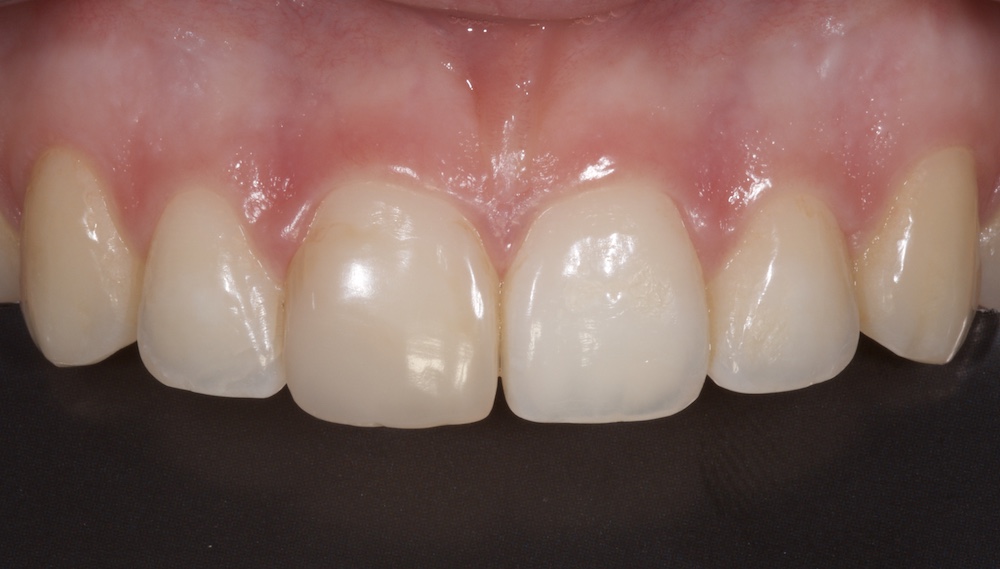

A structured approach every dental clinic should follow
The first consultation is more than just diagnosis—it is a decisive moment that shapes the patient’s perception of your competence, ethics, and care. In an era where patients are informed, cautious, and often anxious, trust becomes the key factor influencing whether they accept treatment or walk away.
A well-handled consultation not only improves case acceptance but also lays the foundation for long-term patient relationships and referrals.
Create a Professional and Reassuring First Impression
Patients evaluate the clinic environment and the dentist within seconds.
Focus on:
- Professional appearance and calm body language
- A warm, respectful greeting
- A clean, organized clinical setting
A composed and confident presence immediately reduces patient anxiety.
Establish Rapport Before Clinical Discussion
Jumping straight into diagnosis can feel impersonal.
Instead:
- Begin with a brief, friendly conversation
- Understand the patient’s background or previous experiences
- Build a human connection before clinical interaction
Patients trust people before they trust treatment plans.
Practice Active Listening
Patients want to be heard, not rushed.
Key actions:
- Ask open-ended questions
- Listen without interruption
- Acknowledge their concerns verbally
This creates a sense of respect and involvement.
Ask the Right Questions
Go beyond symptoms to understand expectations.
Include questions like:
- “What are your main concerns?”
- “What outcome are you hoping for?”
- “Have you had any past dental experiences that worried you?”
Understanding expectations helps tailor communication and treatment planning.
Communicate in Simple, Clear Language
Avoid technical jargon that may confuse patients.
- Break down complex conditions into simple explanations
- Focus on cause, effect, and solution
- Use relatable examples
Clarity builds confidence and reduces hesitation.
Use Visual Aids to Strengthen Understanding
Patients believe what they can see.
Utilize:
- X-rays and intraoral images
- Clinical photographs
- Demonstration models
Visual evidence increases acceptance and reduces doubt.
Present Structured Treatment Options
Patients appreciate clarity and choice.
- Provide 2–3 treatment options where possible
- Explain advantages, limitations, and timelines
- Recommend the best option confidently
A structured approach reflects professionalism.
Be Transparent About Costs and Procedures
Lack of clarity around fees can quickly break trust.
Ensure you:
- Discuss costs upfront
- Explain what is included
- Avoid hidden charges
Transparency strengthens credibility.
Avoid a Sales Approach—Adopt a Guidance Approach
Patients resist pressure but respond to guidance.
- Educate rather than persuade
- Allow time for decision-making
- Respect their pace and concerns
This builds long-term trust rather than short-term conversion.
Address Fear and Anxiety Proactively
Many patients carry dental anxiety.
- Acknowledge their fear
- Explain procedures step-by-step
- Reassure them about comfort and safety
Emotional reassurance is a powerful trust builder.
Demonstrate Clinical Confidence
Confidence reassures patients.
- Speak clearly and decisively
- Avoid appearing uncertain
- Maintain consistency in explanations
Patients are more likely to trust a confident clinician.
Involve the Patient in Decision-Making
Shared decision-making increases acceptance.
- Encourage questions
- Discuss alternatives
- Let patients feel in control
Participation builds ownership and trust.
Respect Time and Maintain Efficiency
Delays and rushed consultations both affect perception.
- Be punctual
- Allocate sufficient consultation time
- Avoid appearing hurried
Time respect reflects professionalism.
End the Consultation with Clarity
A strong closing reinforces trust.
- Summarize the diagnosis
- Reiterate the treatment plan
- Outline next steps clearly
Patients should leave with no confusion.
Trust is not built through a single action but through a series of consistent, patient-centered interactions. A well-structured first consultation—focused on empathy, clarity, and transparency—can significantly improve patient confidence, acceptance, and long-term loyalty.
In dentistry, technical excellence may attract patients—but trust is what retains them.