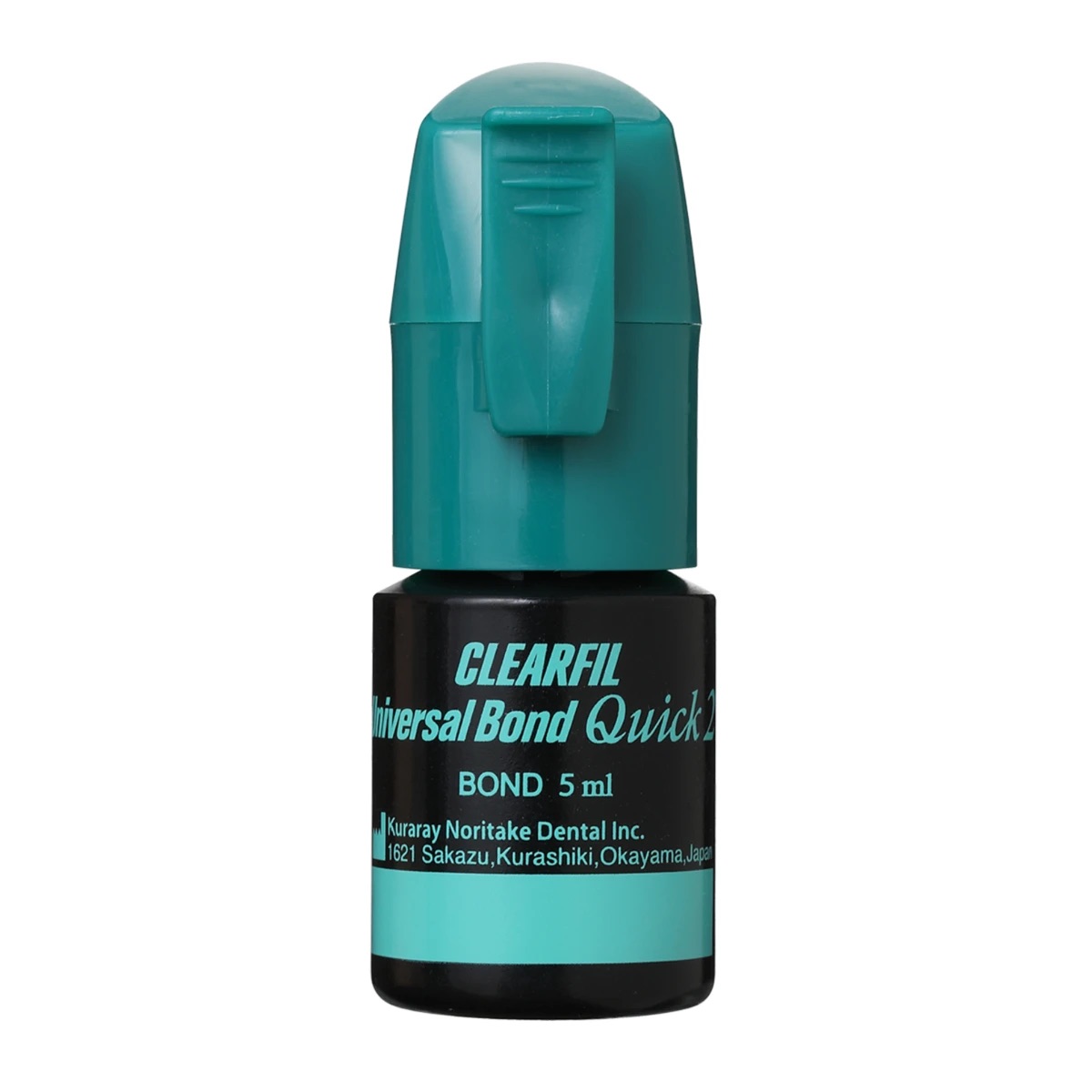
Clearfil universal bond quick 2 has been recognised in the 2026 dental advisor awards, receiving both the research award and the preferred product award. These recognitions are based on a combination of laboratory evidence and clinical evaluation, reflecting both scientific assessment and real-world usability.
The research award is typically associated with materials that demonstrate scientific rigour, innovation, and consistent physical properties. In laboratory testing, clearfil universal bond quick 2 showed stable bonding performance to both enamel and dentine. Importantly, this performance was maintained even after artificial ageing and under saliva-contaminated conditions, which simulate challenges commonly encountered in the oral environment.
A notable technical parameter is its ultra-thin film thickness (<5 μm). This feature may contribute to:
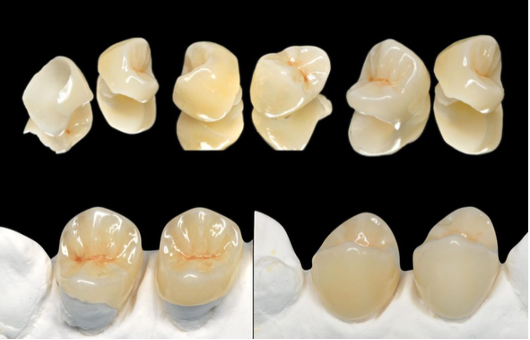
- Improved seating of indirect restorations
- A more uniform bonding interface
- Reduced risk of marginal discrepancies
The preferred product award was based on combined laboratory data and clinical feedback, with the material receiving a 98% overall clinical rating. Evaluators highlighted its handling characteristics and workflow integration, particularly the ability to proceed immediately from application to restoration without additional waiting time.
Key evaluation highlights:
- Dual award recognition (2026) – research and preferred product
- 98% clinical rating from evaluators
- No waiting time / no active rubbing required
- Consistent performance under simulated oral conditions
- Strong bonding to enamel and dentine
- Thin film (<5 μm) supporting restoration accuracy
From a materials science perspective, the formulation integrates:
- Mdp monomer technology (established adhesive chemistry)
- Amide components (supporting stability and handling)
- Newly developed utm monomers (enhancing bonding adaptability)
This combination is intended to provide durable adhesion, reduced technique sensitivity, and versatility across multiple clinical indications.
Additional clinical observations:
- Simplified application protocol
- Even spreading with minimal pooling
- Compatibility with various restorative materials
- Potential resistance to polymerisation shrinkage stresses
From a clinical workflow standpoint, the ability to reduce procedural steps may be relevant in time-sensitive operative settings, where efficiency and predictability are essential. At the same time, maintaining bond durability remains critical for long-term restorative success.
Overall, the dual recognition in the dental advisor awards 2026 highlights a combination of scientific validation and clinical acceptance. However, as with any newly recognised material, continued independent research and long-term clinical studies will be important to further evaluate its performance across diverse patient populations and restorative scenarios.
REFERENCES
Kuraray Noritake Dental: https://www.kuraraynoritake.eu
Dental Advisor: https://www.dentaladvisor.com