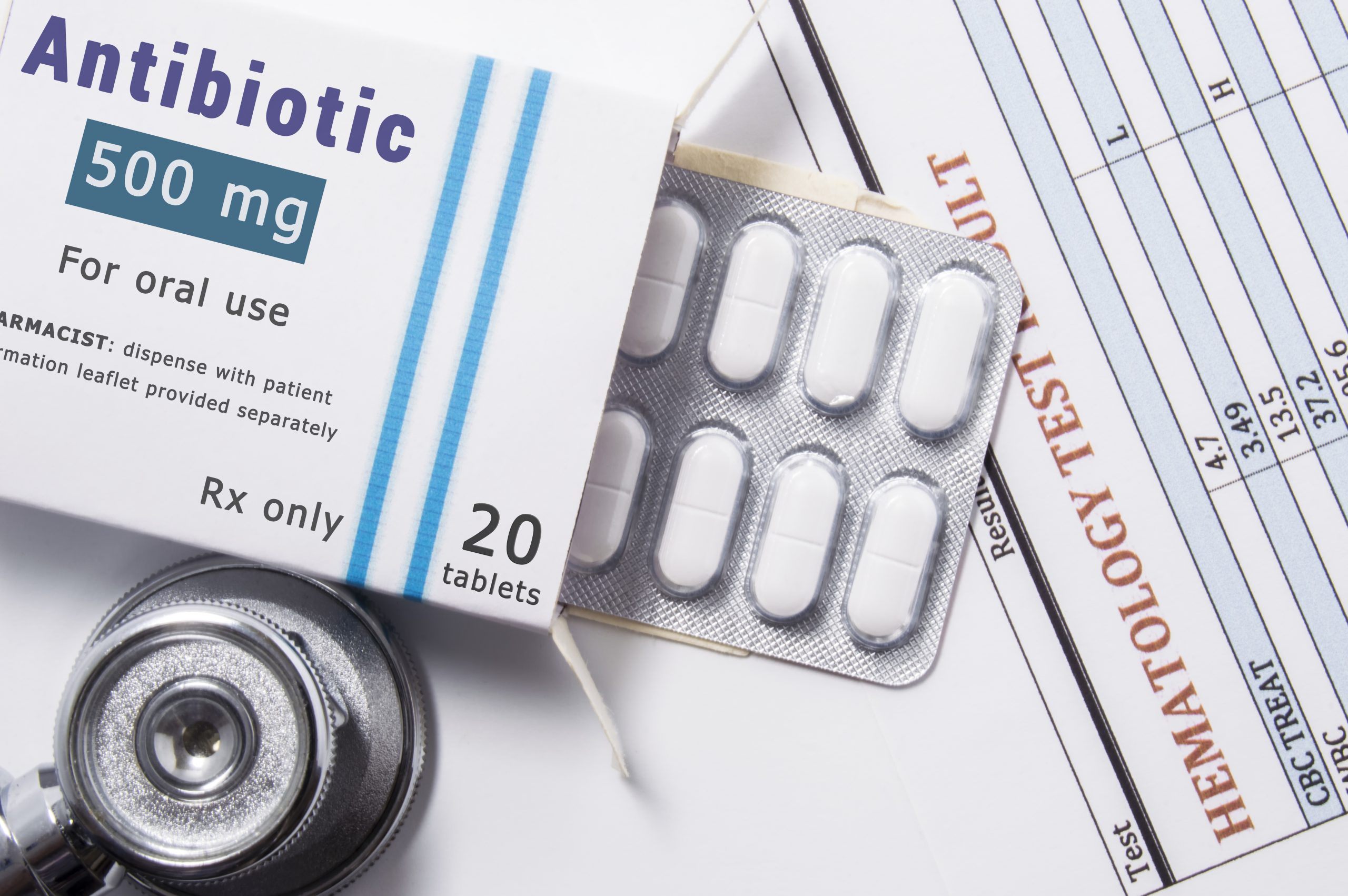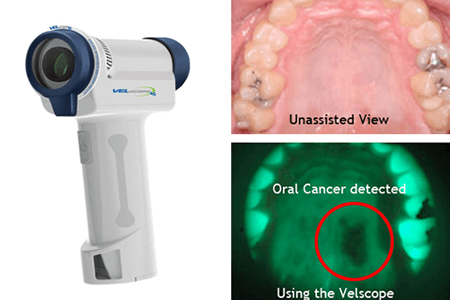
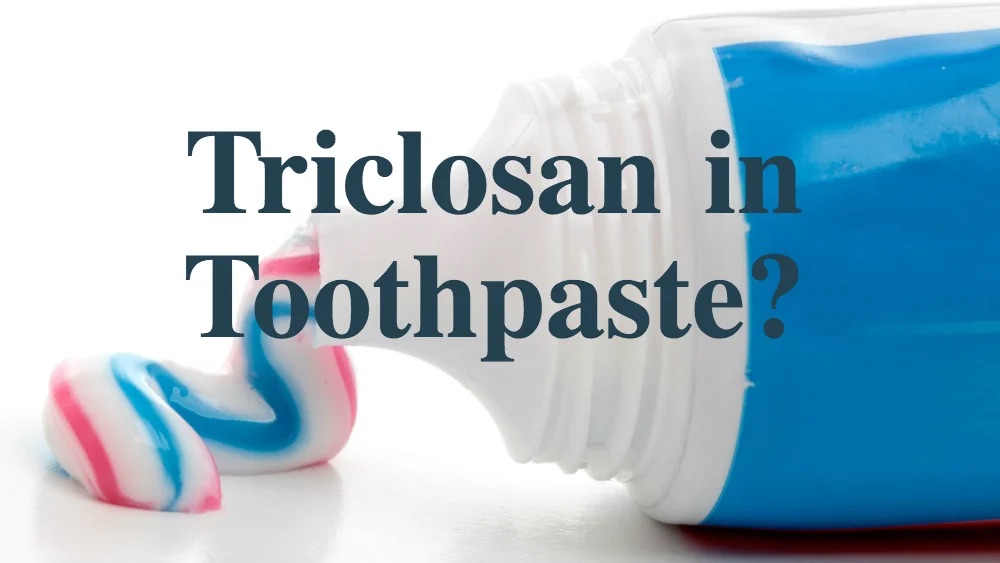
As dental professionals, our responsibility goes beyond treating cavities and gum disease. We also guide patients in making safe, informed choices about their daily oral hygiene. One area that deserves attention is the use of antibacterial agents in toothpaste, particularly triclosan.
While once widely promoted for plaque control and gum health, emerging research highlights potential systemic risks that every dentist should be aware of.
The History and Purpose of Triclosan
Triclosan was introduced into toothpaste formulations to:
- Reduce plaque and tartar formation
- Decrease gingival inflammation
- Promote overall oral hygiene
Although these benefits were modest, triclosan became popular due to its antibacterial properties. However, as more studies evaluated its long-term effects, concerns began to emerge.
Key Concerns Every Dentist Should Know
1. Impact on Bone Health
- Studies have linked higher triclosan exposure to lower bone mineral density.
- Postmenopausal women may be particularly at risk, increasing the likelihood of osteoporosis and fractures.
- Compromised bone health can directly affect periodontal support and tooth stability.
2. Hormonal and Endocrine Effects
- Experimental research shows triclosan may interfere with thyroid hormone function.
- Hormonal imbalances can affect oral tissues and bone metabolism.
3. Antimicrobial Resistance
- Overuse of antibacterial agents may contribute to resistant bacterial strains, making oral infections harder to manage.
4. Environmental Considerations
- Triclosan persists in water systems and may negatively affect aquatic ecosystems.
- As dentists, we must consider public health and environmental impact when recommending products.
Clinical Perspective: Weighing Benefits Against Risks
- Benefits: Slight reduction in plaque and gingival inflammation
- Limitations: Minimal clinical significance and potential systemic risks
Given this, the routine use of triclosan-containing toothpaste is no longer recommended. Modern formulations focus on fluoride, which has well-established safety and efficacy.
Dentist Recommendations for Patients
- Recommend fluoride-based toothpaste over unnecessary antibacterial products
- Emphasize proper brushing and flossing techniques
- Encourage regular dental check-ups to monitor oral health
- Educate patients about reading product labels and avoiding unverified additives
Takeaway for Dental Professionals
As dentists, we must prioritize evidence-based practice. Not all marketed “antibacterial” ingredients provide meaningful clinical benefit, and some may pose systemic or environmental risks. Patient education and safe product recommendations are central to maintaining both oral and overall health.
REFERANCE