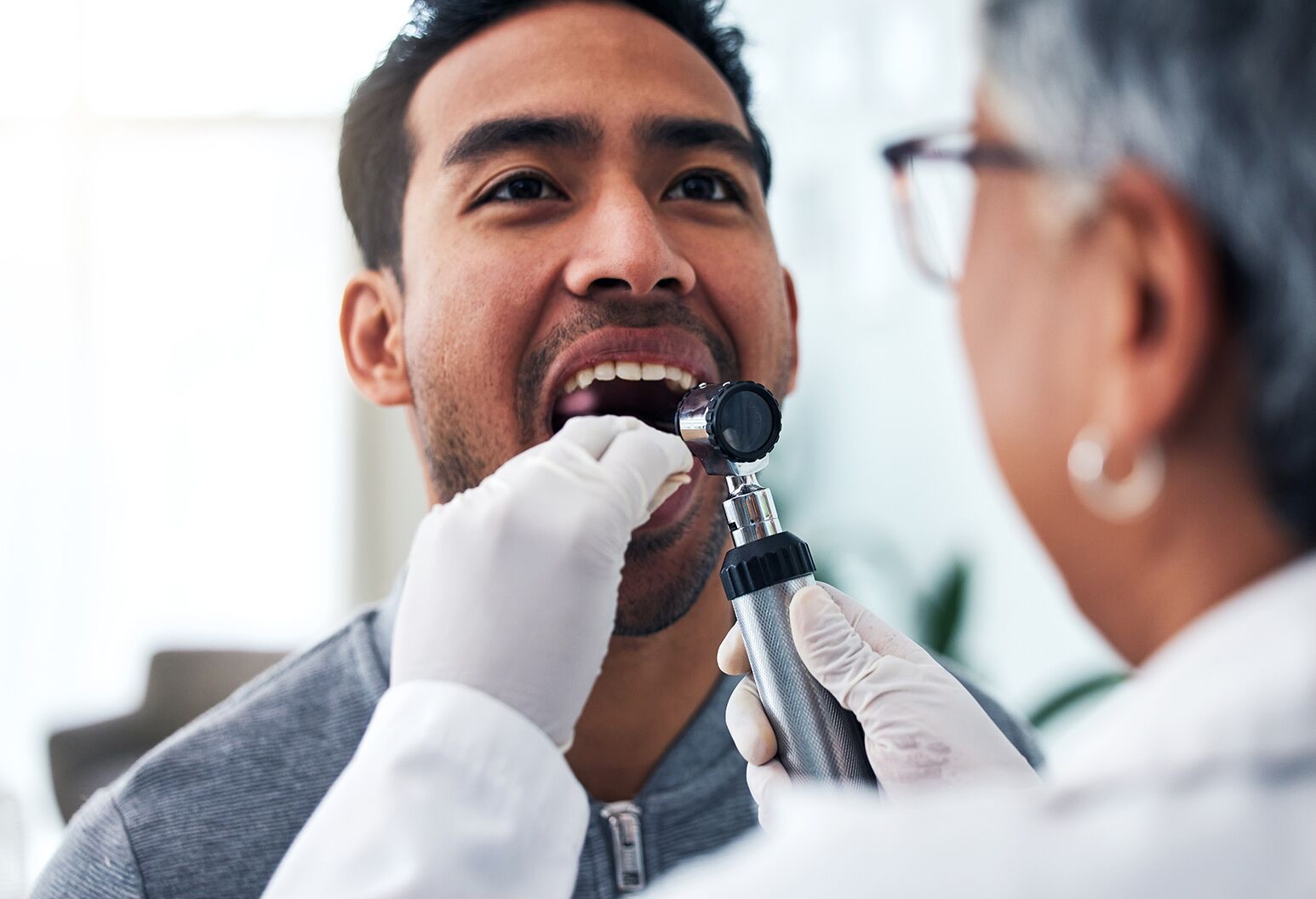
Every day, thousands of patients walk into dental clinics with small white patches, ulcers, burning sensations, or red lesions inside the mouth.
Most ignore them,Some dentists miss them. And far too often, these patients return months later with advanced oral cancer.
Now, Kerala is trying to change that reality with one of the most ambitious community dental surveillance programs in India.
A Massive Oral Cancer Detection Movement Begins
Under the Oral Lesion Surveillance Program (OLSP), nearly 6,500 dental clinics across Kerala are being transformed into frontline oral cancer detection centers.
The initiative is being implemented through CanWin, led by the Indian Dental Association with support from VPS Lakeshore Hospital, the Chittilappilly Foundation, and multiple healthcare partners.
The goal is simple but powerful:
Detect suspicious oral lesions before they become deadly cancers.
According to reports on the Indian Dental Association initiative:
- Dentists are being trained to identify:
- suspicious oral lesions,
- precancerous changes,
- tobacco-related mucosal abnormalities,
- and early oral cancer signs.
- The system also includes:
- structured screening
- documentation protocols
- digital/referral pathways
- faster specialist referral systems.
Some coverage specifically states that the programme aims to train dentists across thousands of clinics using a dedicated portal and awareness network.
Why This Matters So Much in India
India carries one of the world’s highest oral cancer burdens.
According to national estimates:
- Oral cancer contributes to nearly 30% of all cancers in India
- More than 70% of cases are diagnosed late
- Delayed diagnosis drastically lowers survival rates
The biggest problem?
Patients often reach oncologists only after symptoms become severe.
This Kerala model changes the detection point from hospitals → to neighborhood dental clinics.That shift could save thousands of lives.
Dentists Are No Longer “Just Treating Teeth”
This initiative places dentists directly at the frontline of cancer surveillance.
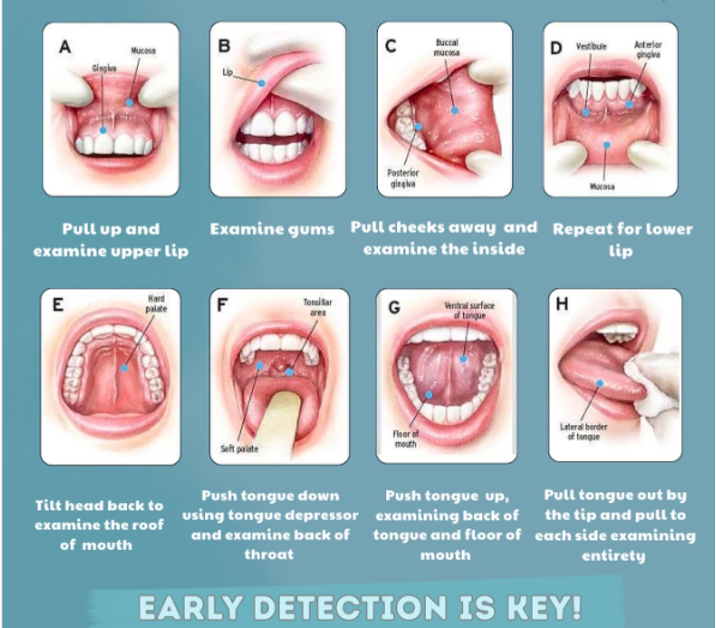
Routine appointments may now become opportunities to detect:
- Leukoplakia
- Erythroplakia
- Non-healing ulcers
- Tobacco-related mucosal changes
- Early malignant transformation
The Real Power of Community Screening
Most oral cancers do not appear overnight.
They often begin as:
- Small lesions
- Persistent ulcers
- White or red patches
- Tissue changes linked to tobacco or alcohol
Kerala’s model creates a referral pathway where suspicious lesions identified by dentists can quickly reach specialists.
That could become a blueprint for the rest of India.
A Public Health Move That Dentistry Needed
For years, oral cancer awareness campaigns focused mainly on tobacco warnings.
But this initiative does something more practical:
It turns everyday dental visits into potential life-saving screenings.
And perhaps for the first time at this scale, dentists are being formally integrated into statewide cancer surveillance.
Reference
Kerala Oral Cancer Detection News (DD India)
DD India – Kerala Statewide Oral Cancer Detection Network
Related IDA CanWin Coverage