For decades, dentists have relied on 2D radiographs to diagnose caries, endodontic pathology, periodontal defects, and fractures. While digital radiography improved image quality and workflow, one major limitation remains: anatomy is still compressed into a flat image.
That’s where Lumos 3DX™ by Valkyrie BioScience enters the conversation.
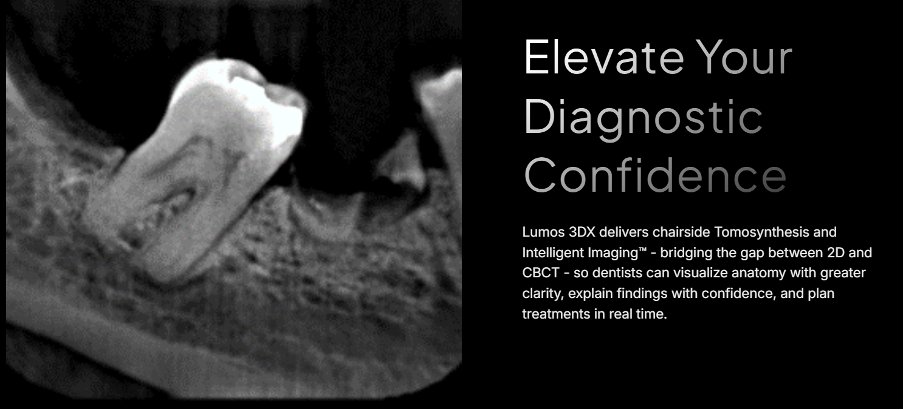
This newly introduced imaging platform is designed to bridge the gap between traditional 2D radiographs and full CBCT imaging by bringing chairside tomosynthesis and Intelligent Imaging™ directly into the operatory.
What Makes Lumos 3DX Different?
Unlike conventional dental radiography, Lumos 3DX uses tomosynthesis technology, which captures multiple low-dose images and reconstructs them into layered 3D views of dental anatomy. The result is enhanced visualization without requiring a full CBCT scan.
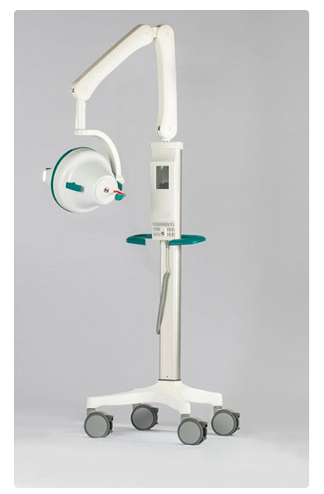
The system is designed as a mobile chairside unit, allowing clinicians to perform advanced imaging without moving patients out of the operatory. Images are wirelessly processed and made available for immediate review and treatment planning.
Key Features That Stand Out
Chairside 3D Visualization :Lumos 3DX delivers layered 3D imaging directly at the point of care, helping clinicians visualize anatomy beyond what traditional periapical and bitewing radiographs can reveal.
Mobile Workflow : Unlike many imaging systems that require dedicated rooms, Lumos 3DX is engineered to move between operatories, helping practices maintain workflow efficiency while maximizing equipment utilization.
Cloud-Connected Platform : The system offers cloud-enabled image access and sharing, allowing clinicians to review diagnostic information across locations and devices.
Intelligent Imaging: Valkyrie BioScience has built the platform with AI-assisted image enhancement and future intelligent detection capabilities in mind. The company emphasizes that these tools are intended to support, not replace, clinical judgment.
Why Dentists Are Paying Attention
One of the most discussed aspects of Lumos 3DX is its position between traditional radiography and CBCT.
According to published information, the technology reconstructs a 3D volume from multiple low-dose images, helping reduce the anatomical superimposition commonly seen in 2D radiographs. This can potentially improve visualization of:
- Cracked teeth
- Early periapical pathology
- Root fractures
- Localized bone defects
- Endodontic complications
In a recently published clinical discussion, chairside tomosynthesis was able to reveal a fracture that was not clearly visible on conventional radiographs, helping guide treatment decisions with greater confidence.
FDA-Cleared Technology
Lumos 3DX received FDA 510(k) clearance as a dental tomosynthesis imaging system. The platform generates 3D diagnostic images using an extraoral X-ray source and intraoral detector, designed specifically for chairside dental imaging.
The Bigger Picture
Dentistry is moving toward faster, smarter, and more patient-centered diagnostics. Technologies such as Lumos 3DX represent a growing trend toward mobile imaging, cloud-connected workflows, AI-assisted diagnostics, and real-time chairside decision-making.
Reference