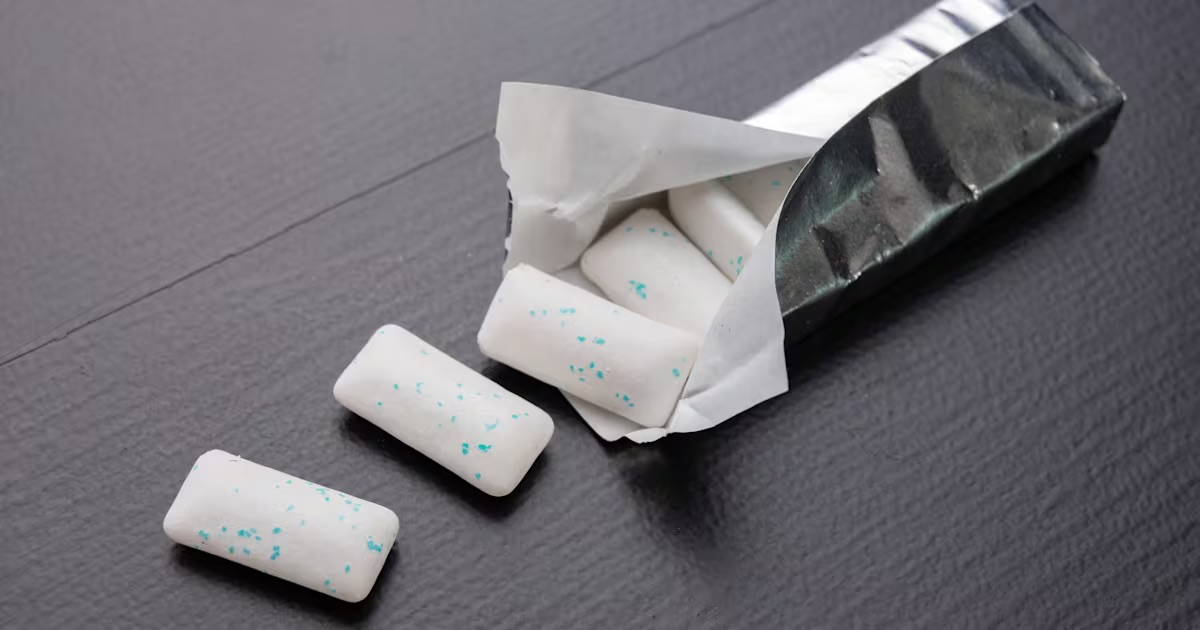
Chewing sugar-free gum is more than just a habit for fresh breath – it can be a valuable tool in preventive dentistry. Recent studies have shown that chewing gum for approximately 10 minutes after meals can significantly reduce harmful bacteria in the oral cavity and stimulate saliva production, both of which are essential for maintaining oral health.
How Chewing Gum Supports Oral Health
1. Saliva Stimulation:
Chewing stimulates salivary glands, increasing the flow of saliva. Saliva naturally cleanses the oral cavity, neutralizes acids, and provides minerals essential for enamel remineralization. Increased saliva production after meals helps reduce demineralization and supports the mouth’s natural defense mechanisms.
2. Mechanical Removal of Bacteria:
Chewing gum helps trap and remove bacteria from the teeth and oral surfaces. Research demonstrates that a 10-minute chewing session can remove millions of bacteria, contributing to a lower microbial load and reduced risk of caries.
3. Role of Xylitol:
Sugar-free gums containing xylitol offer additional benefits. Xylitol has been shown to inhibit the growth of Streptococcus mutans, the primary bacteria responsible for caries, and promote enamel remineralization. For patients at higher caries risk, xylitol-containing gum can be an effective, evidence-based adjunct.
Clinical Recommendations
For dental professionals, sugar-free gum can be incorporated into preventive counseling and patient education:
- Timing: Recommend chewing gum after meals, particularly lunch and dinner, when brushing may not be immediately possible.
- Duration: Chewing for 8–10 minutes is optimal. Longer chewing does not provide additional benefits and may cause discomfort.
- Target Patients: Ideal for children, orthodontic patients, xerostomia sufferers, and high-caries-risk individuals.
- Adjunct Use: Emphasize that gum is supplemental, not a replacement for brushing and flossing.
Incorporating Gum Chewing Into Practice
Gum chewing can be a practical tool in patient-centered care:
- Pediatric Patients: Encourage chewing sugar-free gum at school to maintain oral cleanliness between meals.
- Orthodontic Patients: Gum chewing stimulates saliva flow and aids in cleaning around brackets and wires.
- Busy Adults and Travelers: Provides a convenient method to maintain oral hygiene when brushing isn’t possible.
By providing clear guidance and recommending gum as part of a comprehensive oral care strategy, dentists can empower patients to take control of their oral hygiene in practical ways.
Reference Articles
- Quantification and Qualification of Bacteria Trapped in Chewed Gum — PLOS ONE
https://journals.plos.org/plosone/article?id=10.1371/journal.pone.0117191
- Xylitol‑Containing Chewing Gum Reduces Cariogenic and Periodontopathic Bacteria — PubMed
https://pubmed.ncbi.nlm.nih.gov/35634392/ - Effects of Chewing Gum on Plaque Index — MDPI study on plaque reduction mechanisms
https://www.mdpi.com/2304-6767/13/10/474