Tooth extraction is an essential part of everyday dental practice, yet it is often associated with patient anxiety, bleeding, post-operative pain, and delayed healing. Conventional extraction techniques rely heavily on mechanical force, which may unintentionally traumatize surrounding tissues—especially in medically compromised patients.
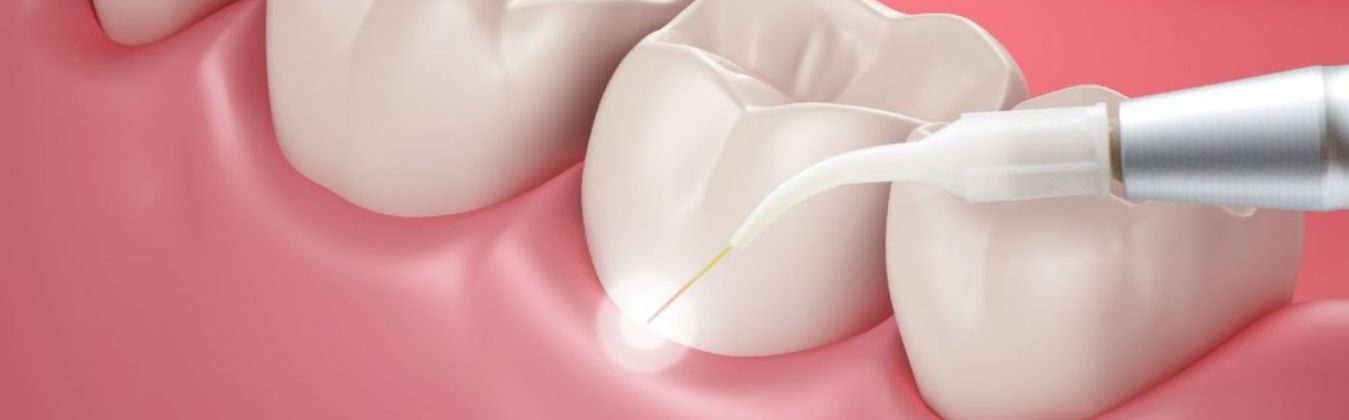
Advances in dental laser technology have introduced a less invasive, highly precise approach to tooth extraction. Laser-assisted extraction is steadily gaining acceptance due to its ability to minimize tissue damage, enhance surgical control, and significantly improve post-operative recovery.
Why Dentists Are Turning to Laser-Assisted Extraction
Modern dentistry prioritizes procedures that are efficient, predictable, and comfortable for patients. Dental lasers support these goals by offering:
- Precise tissue incision with minimal collateral damage
- Excellent intraoperative bleeding control
- Reduced need for local anesthesia
- Lower post-operative pain and swelling
- Faster soft-tissue healing and reduced infection risk
These benefits make laser-assisted extraction particularly useful in high-risk cases, including patients on anticoagulants and those with compromised healing capacity.
Commonly Used Lasers in Tooth Extraction
Erbium Family Lasers
Erbium lasers are uniquely suited for hard tissue applications, including enamel, dentin, cementum, and alveolar bone. When combined with water spray, they allow controlled cutting with minimal thermal injury. Their antibacterial effect and ability to reduce post-operative inflammation make them valuable in complex extractions and apical surgeries.
Clinical advantage: Precise cutting with minimal post-operative discomfort.
Diode Lasers
Diode lasers are widely used for soft tissue procedures, such as exposing impacted or partially erupted teeth. They provide excellent hemostasis and often eliminate the need for suturing. Diode lasers are also popular for low-level laser therapy, which enhances wound healing and reduces inflammation.
Clinical advantage: Clean surgical field, faster healing, and improved patient comfort.
CO₂ Lasers
CO₂ lasers are highly absorbed by water, making them ideal for soft tissue vaporization. Their ability to seal blood vessels and nerve endings results in reduced bleeding and post-operative pain. These lasers are commonly used in minor oral surgical procedures requiring high precision.
Clinical advantage: Superior hemostasis and reduced surgical pain.
Nd:YAG Lasers
Nd:YAG lasers penetrate deeper into tissues, producing a strong coagulation effect. This makes them effective for achieving hemostasis and stimulating tissue repair through increased angiogenesis and fibroblast activity. They are especially beneficial in patients with bleeding tendencies or medication-related complications.
Clinical advantage: Deep tissue coagulation and biostimulation.
Mechanism of Laser-Assisted Tooth Extraction
Dental lasers transmit concentrated light energy through fiber-optic systems or articulated arms. Laser interaction with tissue depends on wavelength and tissue composition and may result in absorption, scattering, transmission, or reflection.
When absorbed, laser energy raises tissue temperature in a controlled manner, allowing cutting, coagulation, or vaporization. Proper parameter selection is essential to avoid excessive heat and tissue damage.
Clinical Benefits Over Conventional Techniques
Compared to traditional extraction methods, laser-assisted extraction offers:
- Reduced surgical trauma
- Immediate bleeding control
- Lower bacterial contamination
- Minimal post-operative swelling
- Shorter recovery time
- Improved overall patient experience
These advantages align with the growing demand for minimally invasive and biologically friendly dental procedures.
Limitations and Practical Considerations
Despite its benefits, laser-assisted extraction has certain limitations:
- High initial investment costs
- Requirement for specialized training
- Need for different laser wavelengths for varied procedures
- Limited accessibility in some clinical settings
As technology advances, dental lasers are expected to become more affordable, versatile, and easier to integrate into routine practice. With standardized protocols and continued research, laser-assisted extraction may soon become a mainstay in oral and maxillofacial surgery.
Reference
Laser-Assisted tooth extraction: A review of clinical outcomes and application
International Journal of Dental Research — Rilna P., Chythanniya Vishwanathan, Anjali Sudhakaran, Aysha Basheer, Ayisha Fidha
Published: January 18, 2025, Volume 7, Issue 1, pp. 8–10
Laser‑Assisted tooth extraction: A review of clinical outcomes and application — International Journal of Dental Research* dentaljournal.net
Hypothesis Paper on Er:YAG-Assisted Extraction
“Er: YAG Laser Minimally Invasive Tooth Extraction”
Dental Hypotheses (2024) — Ouyang & Tao
DOI: 10.4103/denthyp.denthyp_71_24
https://www.ovid.com/journals/denhyp/fulltext/10.4103/denthyp.denthyp_71_24~er-yag-laser-minimally-invasive-tooth-extraction Ovid