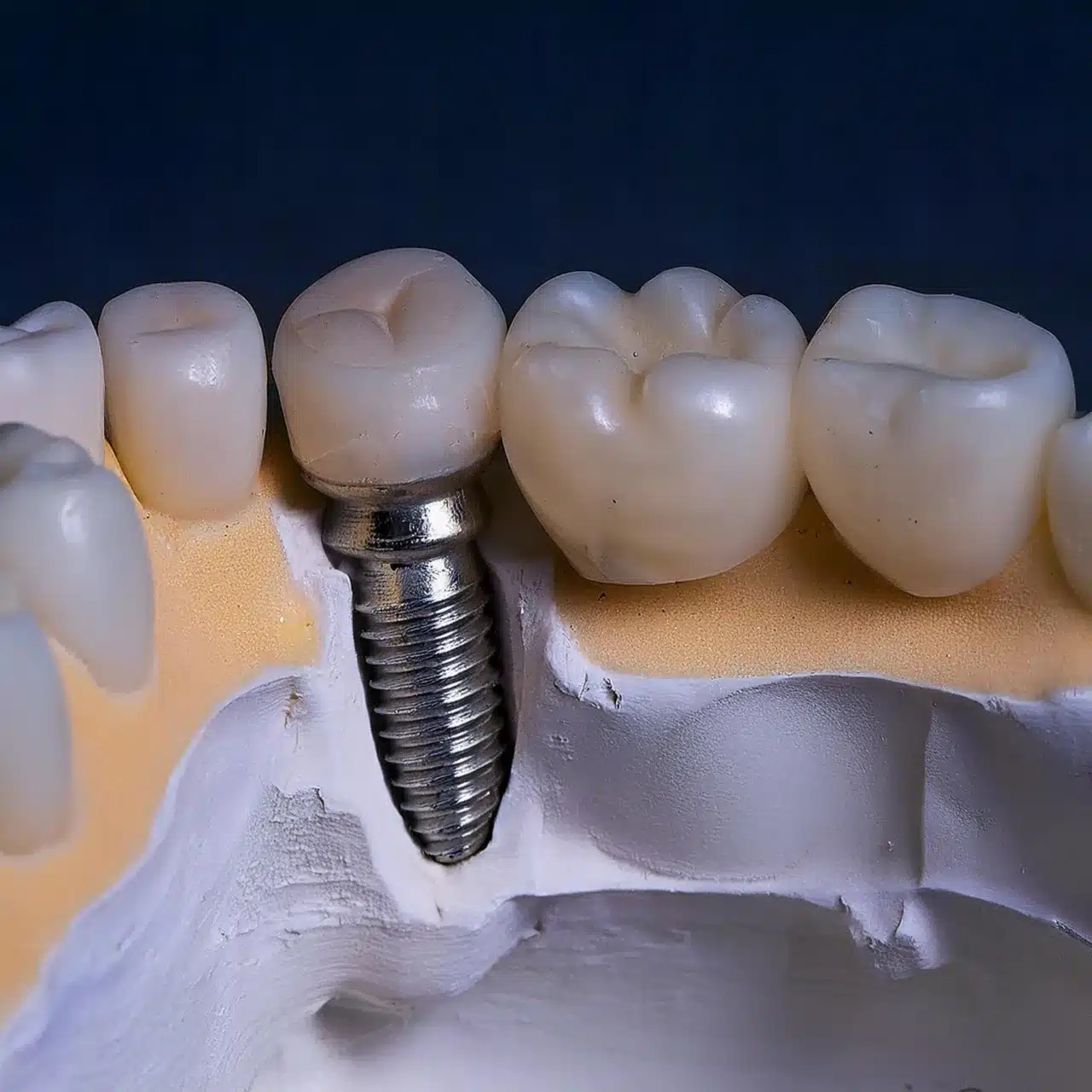
Dental implant success depends not only on surgical precision but also on long-term infection control. Despite advanced sterilization protocols, implant-related infections remain one of the leading causes of implant failure. With rising antibiotic resistance, dentistry is increasingly moving toward smart, non-antibiotic strategies that prevent bacterial colonization at the implant surface.
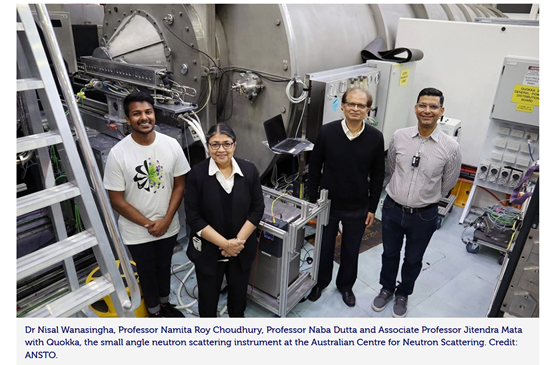
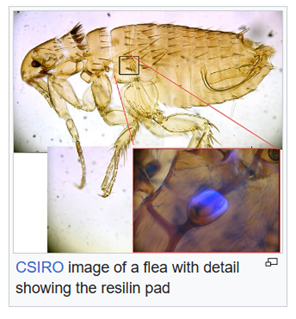
In a recent breakthrough, a multidisciplinary research team from RMIT University, Australia, led by Professor Namita Roy Choudhury, developed a novel antibacterial coating inspired by resilin, a protein found in insects like fleas. Published in a leading biomaterials journal, this research demonstrates a 100% prevention of bacterial attachment in laboratory studies—an innovation with promising implications for dental implants and surgical instruments.
Why This Research Matters to Dentistry
Traditional implant infections often begin with early bacterial adhesion and biofilm formation. Once biofilm establishes, treatment becomes complex, costly, and unpredictable. The newly developed resilin-mimetic protein coating addresses this problem at its root—before bacteria can attach.
For dental professionals, this approach represents a shift from treating infection to preventing it altogether, without relying on antibiotics or metal-based antimicrobial agents.
Resilin
Resilin is a naturally occurring protein that gives insects exceptional elasticity and durability. Scientists have engineered resilin-mimetic proteins that retain these properties while remaining safe for human tissues.
From a dental standpoint, these coatings are particularly valuable because they are:
- Biocompatible and non-toxic
- Durable and flexible in the oral environment
- Antibiotic-free, reducing resistance risk
- Supportive of healthy tissue integration
How Resilin-Based Coatings Protect Dental Implants
Unlike conventional antibacterial coatings, resilin-based coatings function through physical and electrostatic interactions rather than chemical release.
Mechanism of Action
- Prevents initial bacterial attachment
- Nano-structured droplets disrupt bacterial cell membranes
- Causes bacterial cell death without harming human cells
- Allows proper osseointegration and soft tissue healing
Laboratory results show complete inhibition of bacterial adhesion while maintaining excellent compatibility with human cells.
Potential Applications in Clinical Dentistry
This technology may benefit multiple areas of dental practice:
- Dental implants: Reduced infection and peri-implantitis risk
- Surgical instruments: Lower cross-contamination during procedures
- Abutments and prosthetics: Improved peri-implant tissue health
- Oral surgery wound care: Faster healing with fewer complications
The Future of Implant Dentistry
While still in the research phase, this innovation opens the door to:
- Infection-resistant dental implants
- Reduced antibiotic dependence
- Improved implant longevity
- Safer outcomes for patients
As further clinical testing progresses, resilin-inspired coatings may become a key component of next-generation implant dentistry.
REFERENCES
- RMIT University news release — detailed summary of the study on insect-inspired resilin antibacterial coatings, explaining lab results and potential applications. (RMIT University)
Insect protein blocks bacterial infection — RMIT University News (June 2 2025): https://www.rmit.edu.au/news/all-news/2025/jun/antibacterial-resilin - Technology Networks article — includes summary plus journal reference with DOI for the peer-reviewed publication. (Technology Networks)
Insect protein boots out bacteria, blocking infection — TechnologyNetworks (June 3 2025): https://www.technologynetworks.com/immunology/news/insect-protein-boots-out-bacteria-blocking-infection-400462