A simple tooth extraction turning into days of unbearable pain? New research suggests female hormones — especially estrogen — may silently increase the risk of developing dry socket after dental extraction.
According to a recent review published, women using oral contraceptive pills or experiencing high-estrogen phases during the menstrual cycle could face a greater chance of developing alveolar osteitis, commonly known as dry socket.
What Exactly Is Dry Socket?
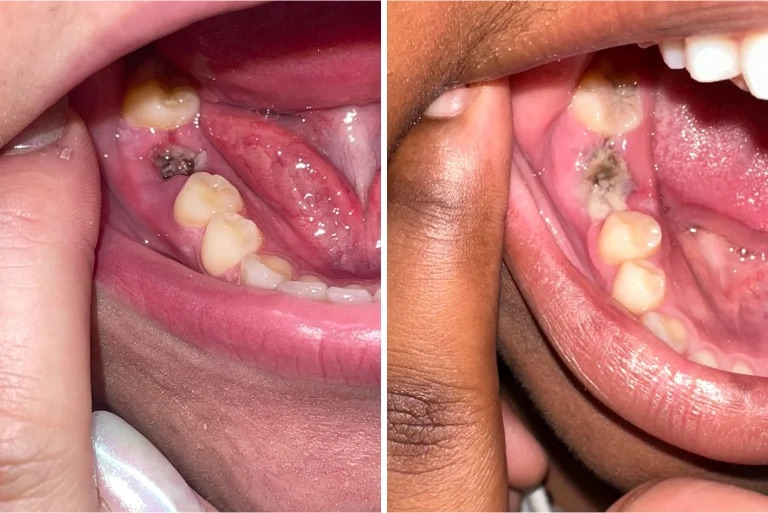
Alveolar Osteitis is one of the most painful complications following tooth extraction. Normally, a protective blood clot forms over the extraction site to aid healing. But in dry socket, that clot dissolves or dislodges too early, exposing bone and nerves beneath.
Patients often experience:
- Severe throbbing pain a few days after extraction
- Bad breath or unpleasant taste
- Delayed healing
- Pain radiating to the ear or jaw
The condition is especially common after wisdom tooth removal.
The Hormone Connection Dentists Can’t Ignore
Researchers analyzed studies published found a noticeable trend: women with elevated estrogen levels had a higher prevalence of dry socket.
The reason may lie in how estrogen affects the body’s clotting system. Elevated estrogen can increase fibrinolytic activity — meaning the body breaks down blood clots faster than normal. That premature clot breakdown may leave the extraction socket exposed before healing begins properly.
The review also noted:
- Women taking combined oral contraceptive pills showed increased risk
- Menstrual cycle timing may influence post-extraction healing
- Modern low-dose contraceptive pills may reduce this risk compared to older formulations
This growing evidence could change how dentists schedule extractions and plan preventive care for female patients.
Why This Matters for Dental Practice
This research opens an important conversation in dentistry: should hormone status become part of routine extraction planning?
Experts suggest dentists may eventually consider:
- Timing elective extractions around menstrual cycles
- Reviewing oral contraceptive history before surgery
- Using preventive protocols in higher-risk patients
- Educating patients about early warning signs of dry socket
Although more randomized clinical trials are still needed, the findings highlight how systemic health and oral health are deeply connected.
The Bigger Picture
Hormones influence much more than reproductive health — they also affect inflammation, wound healing, gum health, and bone metabolism. This explains why women may experience different oral health changes during puberty, pregnancy, menopause, and contraceptive use.
As personalized dentistry continues to evolve, understanding hormonal influences could help clinicians reduce complications and improve healing outcomes.
Influence of sex hormones on the risks of alveolar osteitis after dental extraction
Author links open overlay panelZ. Moudahik, N. El Wadidi, Z. Farih, M. Khazana, Y. Naji
https://www.sciencedirect.com/science/article/pii/S2667147626000671