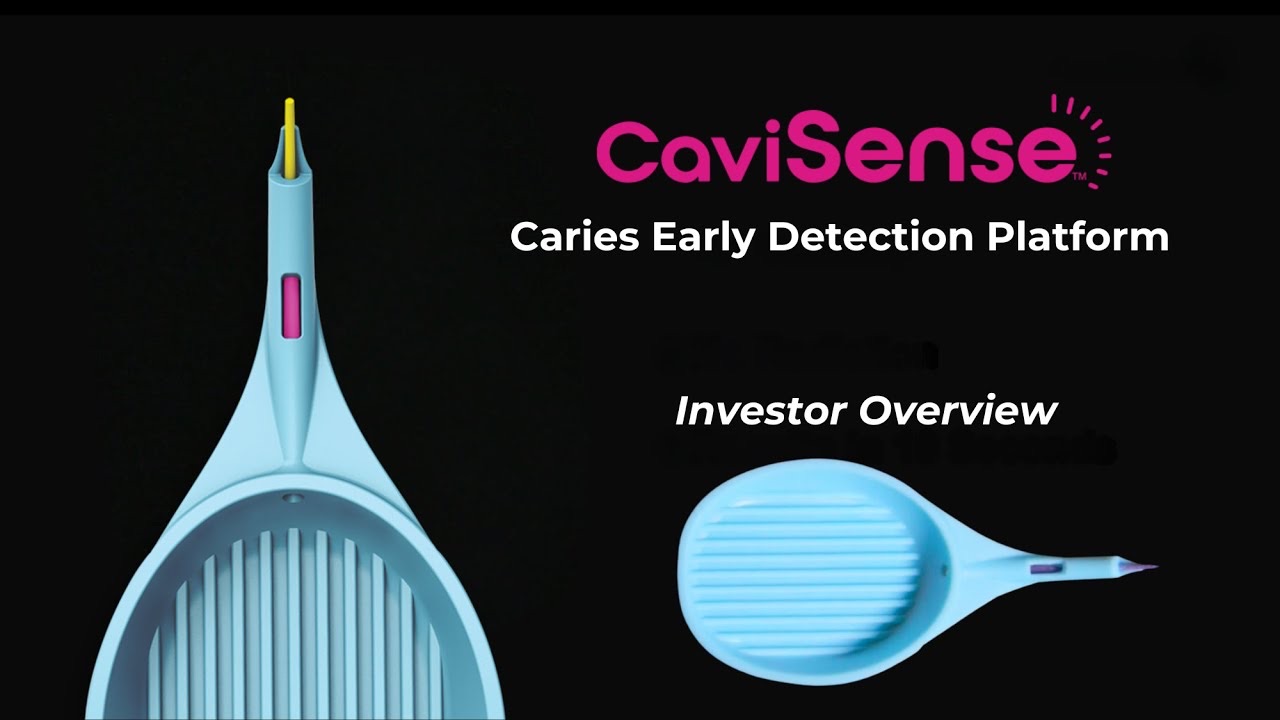
What if dentists could detect tooth decay before it even appears on an X-ray? That futuristic idea is quickly becoming reality with CaviSense — a Harvard/Tufts spinout developing a radiation-free caries detection system that may transform preventive dentistry.
The company recently showcased its breakthrough technology at the American Academy of Pediatric Dentistry Annual Session 2026 in Las Vegas, drawing attention for its ability to identify early tooth demineralization in just 10 seconds.
A New Era in Cavity Detection
Traditional dental X-rays are effective, but they often detect cavities only after significant mineral loss has already occurred. CaviSense aims to change that by identifying active demineralization before lesions become radiographically visible.
Its handheld diagnostic sensor is designed specifically to detect interproximal caries activity — the early stages of enamel breakdown between teeth where cavities commonly begin.
According to the company, the system:
- Works in about 10 seconds
- Is completely radiation-free
- Detects active enamel demineralization early
- Fits easily into pediatric dental workflows
That means dentists may soon be able to intervene earlier with preventive strategies instead of waiting for cavities to worsen.
How CaviSense Detects Early Tooth Decay
- CaviSense detects very early enamel demineralization before cavities become visible on traditional X-rays.
- During the initial stages of tooth decay, important minerals like calcium and phosphate start leaving the enamel surface.
- This mineral loss changes the tooth’s microscopic structure, porosity, and fluid movement inside the enamel.
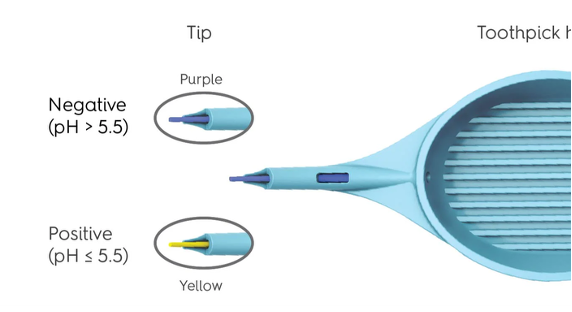
- The CaviSense sensor identifies these subtle changes using advanced diagnostic sensing technology.
- The device analyzes the difference between healthy enamel and weakened demineralized enamel in real time.
- Within seconds, the system provides an instant diagnostic signal for early caries activity.
- Some versions of the technology may include visual or color-based indicators to quickly highlight suspicious areas.
Early detection allows dentists to begin remineralization therapies before cavities progress and require drilling.
Full-Mouth Screening in Just 30 Seconds?
One of the biggest highlights at AAPD 2026 was CaviSense’s upcoming full-mouth tray system. The company says this technology can screen the entire dentition for active demineralization in approximately 30 seconds.
If validated through broader clinical use, this could dramatically improve:
- Early caries risk assessment
- Pediatric dental screenings
- Preventive dentistry programs
- Monitoring of high-risk patients
For children especially, avoiding unnecessary radiation exposure while improving early diagnosis could be a major advancement.
Pediatric dentists are increasingly shifting toward minimally invasive and preventive dentistry. Technologies like CaviSense align perfectly with this philosophy by helping clinicians catch disease earlier — potentially before drilling and restorations become necessary.
Early adopter Dr. Adam Silevitch discussed the technology during the conference, highlighting how real-time detection tools may improve decision-making in pediatric care.
The technology also reflects a growing trend in dentistry:
- AI-assisted diagnostics
- Radiation-free imaging alternatives
- Preventive-focused patient management
- Faster chairside screening tools
Could This Replace Dental X-Rays?
Not entirely — at least not yet.
Radiographs still remain essential for evaluating deeper structures, bone levels, impacted teeth, and advanced decay. However, CaviSense may become a powerful adjunctive tool that enhances early detection and preventive treatment planning.
If future clinical trials continue to support its accuracy and reliability, this technology could become a major step forward in modern caries management.
Reference