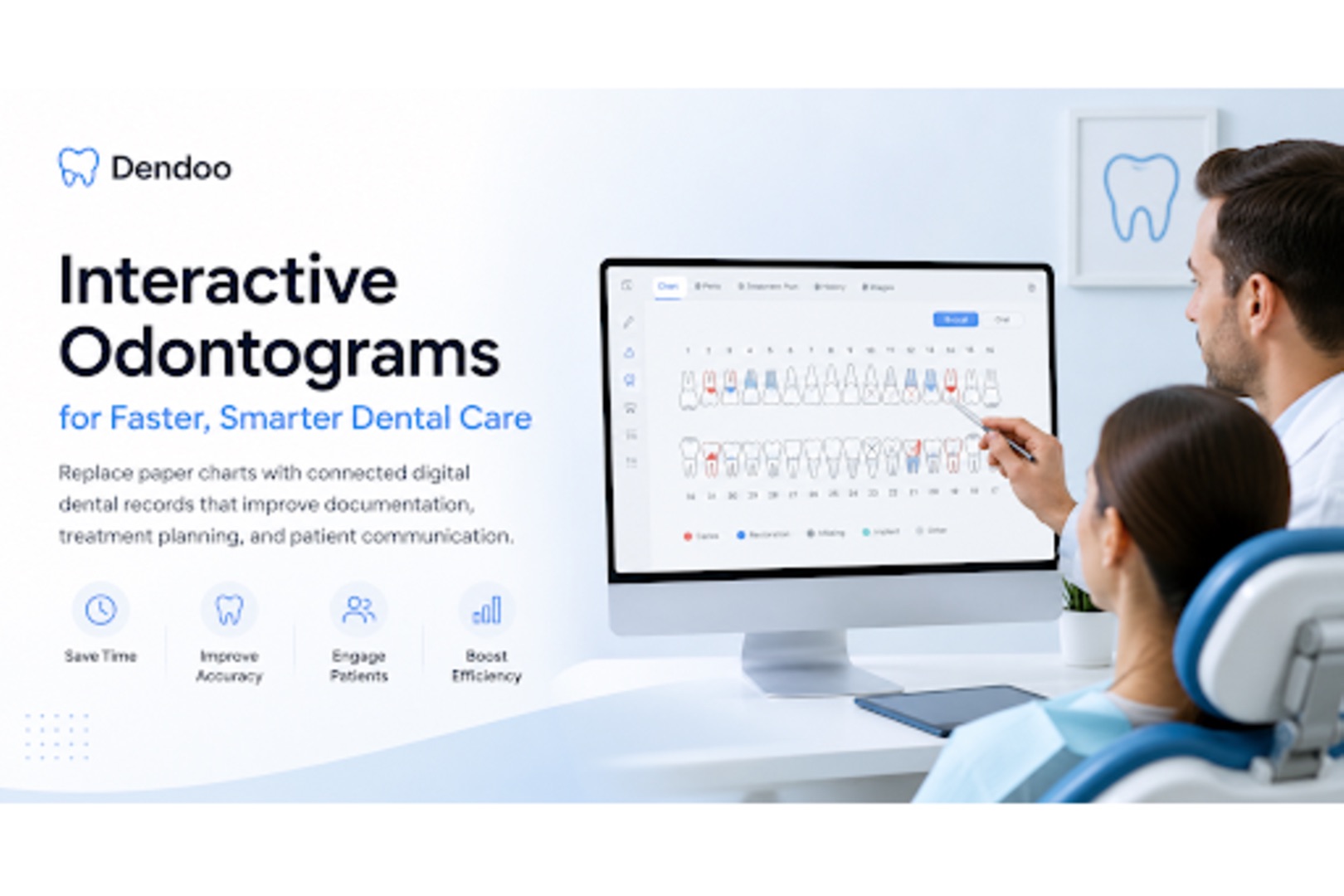
From faster treatment planning to better patient communication, interactive odontograms are transforming how dental practices document, diagnose, and deliver care.
Walk into a modern dental clinic today, and you are far less likely to find stacks of paper charts tucked away in filing cabinets. Instead, dentists are increasingly turning to digital solutions that streamline workflows, improve record-keeping, and enhance the patient experience.
Among these innovations, interactive odontograms are emerging as one of the most valuable tools in digital dentistry.
What was once a simple tooth chart has evolved into a dynamic clinical platform that helps dentists visualize, document, and manage oral health with unprecedented accuracy.
What Is an Interactive Odontogram?
An odontogram is a graphical representation of a patient’s dentition used to record dental conditions, treatments, restorations, and planned procedures.
Traditional paper odontograms have been used for decades, allowing clinicians to mark missing teeth, caries, crowns, fillings, implants, and other findings during examinations.
Among these innovations, interactive odontograms are emerging as one of the most valuable tools in digital dentistry.
What was once a simple tooth chart has evolved into a dynamic clinical platform that helps dentists visualize, document, and manage oral health with unprecedented accuracy.
What Is an Interactive Odontogram?
An odontogram is a graphical representation of a patient’s dentition used to record dental conditions, treatments, restorations, and planned procedures.
Traditional paper odontograms have been used for decades, allowing clinicians to mark missing teeth, caries, crowns, fillings, implants, and other findings during examinations.
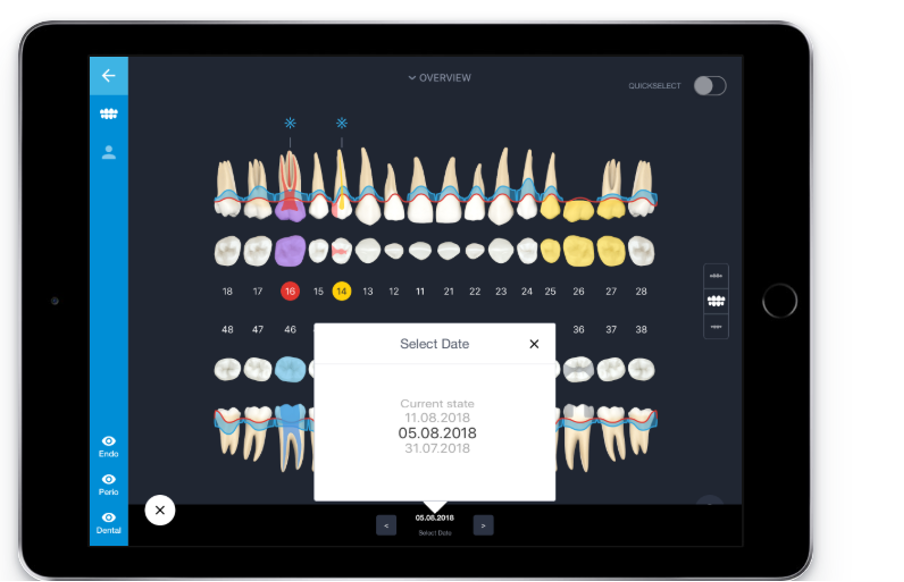
Interactive digital odontograms take this concept several steps further by enabling real-time updates, visual treatment planning, automated record keeping, and seamless integration with practice management software.
Instead of manually drawing symbols or writing notes, dentists can simply click on a tooth and record findings instantly.
Why Clinics Are Making the Switch
As dental practices become increasingly digitized, clinicians are recognizing the limitations of paper-based documentation.
Interactive odontograms address many of these challenges while offering additional clinical and administrative benefits.
Improved Clinical Documentation
Accurate documentation is critical in dentistry.
Digital odontograms allow clinicians to:
Record diagnoses consistently
Track treatment history over time
Document restorations with greater precision
Store clinical information securely
Access records instantly during appointments
Because the information is stored electronically, updates can be made immediately without risking lost or incomplete documentation.
Better Treatment Planning
One of the greatest advantages of interactive odontograms is their ability to support comprehensive treatment planning.
Dentists can visually map:
- Existing restorations
- Areas of decay
- Missing teeth
- Implant sites
- Orthodontic conditions
- Planned procedures
This visual approach allows clinicians to create more organized treatment plans while ensuring that no clinical findings are overlooked.
Enhanced Patient Communication
Explaining dental conditions to patients is often one of the most challenging aspects of clinical practice.
Interactive odontograms help bridge this communication gap.
Instead of relying solely on verbal explanations, dentists can show patients exactly which teeth require treatment and why.
Visual treatment presentations often lead to:
- Better patient understanding
- Increased trust
- Improved treatment acceptance
- Greater patient engagement
When patients can clearly see their oral health conditions, they are more likely to appreciate the importance of recommended care.
Increased Efficiency for Dental Teams
Digital workflows save valuable chairside and administrative time.
With interactive odontograms, dental teams can:
Reduce paperwork
Simplify charting procedures
Access records from multiple workstations
Streamline communication among clinicians
The result is a more efficient practice environment that allows staff to focus more on patient care and less on administrative tasks.
Supporting Accurate Billing and Insurance Claims
Proper documentation plays an important role in treatment coding and insurance submissions.
Interactive odontograms provide detailed treatment records that can support:
- Insurance claims
- Treatment verification
- Clinical audits
- Legal documentation
By linking procedures directly to specific teeth and surfaces, clinics can reduce billing errors and improve record accuracy.
The Role of Digital Dentistry
Interactive odontograms are part of a larger movement toward fully digital dental practices.
Modern clinics are increasingly integrating:
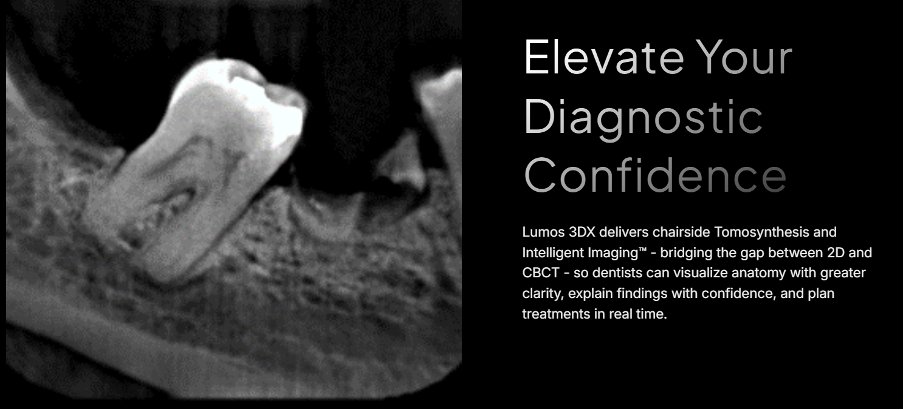
- Digital radiography
- Intraoral scanners
- Electronic health records
- AI-assisted diagnostics
- Cloud-based practice management systems
Together, these technologies create a connected ecosystem that enhances efficiency, improves patient outcomes, and supports evidence-based decision-making.
Looking Ahead
As digital dentistry continues to evolve, interactive odontograms are expected to become a standard feature in modern dental practices.
Their ability to improve documentation, treatment planning, patient communication, and operational efficiency makes them far more than a digital replacement for paper charts.
They represent a smarter, more connected approach to managing oral healthcare.
Referance