For decades, periodontal therapy has relied on a familiar formula: remove plaque and calculus, control infection, and manage inflammation. But as antibiotic resistance continues to rise and clinicians seek more biologically driven approaches, a surprising contender is gaining attention—ozone therapy.
Often associated with the Earth’s protective atmosphere, ozone (O₃) is now being explored as a powerful adjunct in modern dentistry. Recent scientific reviews suggest that this highly reactive oxygen molecule may do far more than simply kill bacteria—it could actively support tissue healing, reduce inflammation, and even stimulate periodontal regeneration.
Why Are Researchers Interested in Ozone?
Periodontitis is not just a bacterial disease; it is an inflammatory condition that destroys the supporting structures of teeth. Traditional therapies effectively reduce microbial load, but complete elimination of pathogenic biofilms remains challenging.
ozone therapy demonstrates three key properties that make it attractive in periodontal care:
Antimicrobial action – Disrupts periodontal pathogens and biofilms.
Anti-inflammatory effects – Helps regulate inflammatory mediators associated with tissue destruction.
Regenerative potential – Supports cellular pathways involved in healing and tissue repair.
How Does Ozone Work?
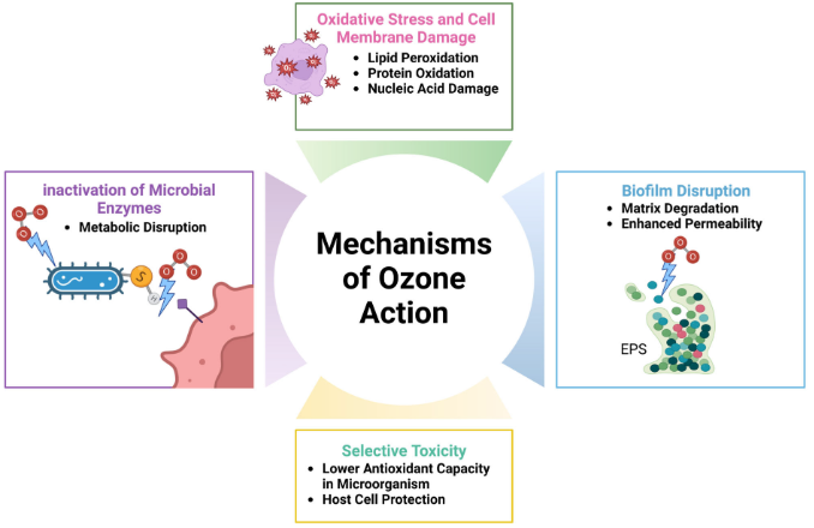
Ozone generates reactive oxygen species (ROS) that damage bacterial cell walls, proteins, and genetic material. Unlike many conventional antimicrobials, ozone can penetrate biofilms—one of the major challenges in periodontal therapy.
What makes ozone particularly interesting is its selective action. While harmful microorganisms have limited antioxidant defenses, human cells possess protective mechanisms that help them tolerate controlled ozone exposure.
Researchers have also shown that ozone can activate important cellular pathways such as Nrf2 and MAPK, which are involved in oxidative stress regulation, inflammation control, and tissue healing.
Beyond Disinfection: Supporting Tissue Regeneration
One of the most promising findings is ozone’s influence on periodontal cells.
Studies indicate that controlled ozone exposure may:
- Enhance fibroblast activity
- Stimulate collagen production
- Promote angiogenesis (formation of new blood vessels)
- Support periodontal ligament stem cell function
- Improve extracellular matrix formation
These biological effects suggest ozone could play a role not only in controlling disease but also in encouraging tissue recovery after periodontal therapy.
What About Dental Implants?
Peri-implant inflammation remains a significant challenge in implant dentistry. Ozone’s antimicrobial and healing properties have prompted researchers and clinicians to investigate its use around implants.
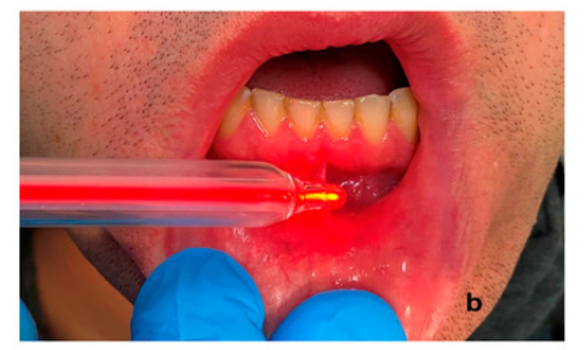
Some clinicians are combining ozone with laser-assisted periodontal treatment to enhance pocket disinfection, reduce bacterial load, and support post-treatment healing.
The Catch: More Research Is Still Needed
Despite the excitement, ozone therapy is not yet a replacement for conventional periodontal treatment.
Researchers emphasize several challenges:
- Lack of standardized dosage protocols
- Variations in delivery methods (gas, ozonated water, ozonated oils)
- Limited long-term clinical trials
- Need for stronger evidence comparing ozone directly with established therapies
Current evidence supports ozone primarily as an adjunctive therapy, meaning it is used alongside conventional periodontal treatment rather than as a standalone solution.
Ozone therapy represents one of the most intriguing developments in periodontal medicine. By combining antimicrobial effects with immune modulation and regenerative potential, it offers a unique approach that aligns with the growing trend toward minimally invasive, biologically focused dentistry.
While more clinical evidence is needed before widespread adoption, current research suggests ozone may become an increasingly valuable tool in the management of periodontal disease and peri-implant health.
Reference
Primary Review Article
The Impact of Ozone on Periodontal Cell Line Viability and Function (2025)
A review on ozone therapy in periodontitis