Patients with gum recession often ask one frustrating question:
“Why do my teeth hurt every time I drink something cold — even though I brush regularly?”
Now, a new study published suggests that the answer may partly lie in how they brush.
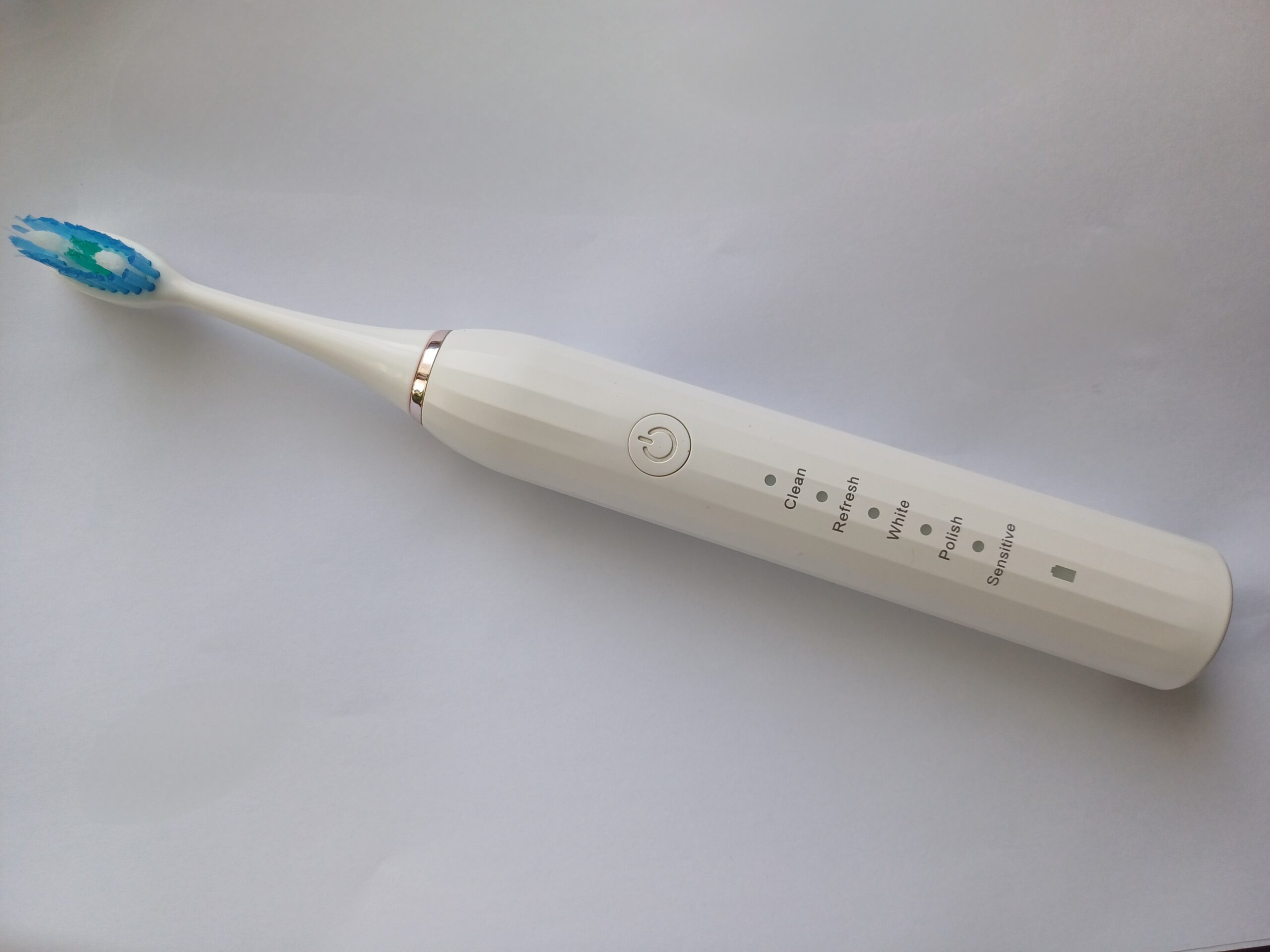
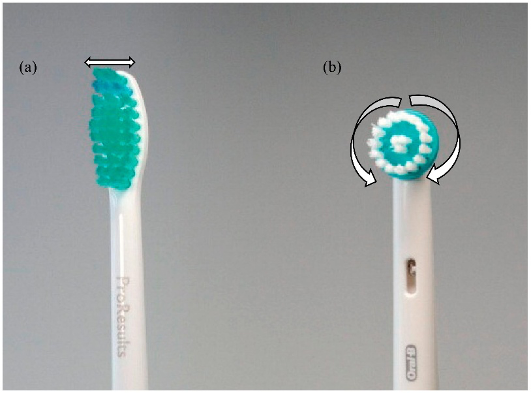
Researchers found that oscillating-rotating powered toothbrushes may reduce dentin hypersensitivity more effectively over time compared to manual toothbrushes in patients with gingival recession. And for dentists managing recession-type sensitivity cases daily, that’s worth paying attention to.
What Did the Study Find?
A 3-year clinical study followed 90 adults with RT1 gingival recession. Participants used either:
- An oscillating-rotating powered toothbrush
- A standard manual toothbrush
Both groups used the same fluoride toothpaste and brushed twice daily.
Key Findings:
Powered toothbrush users showed a greater reduction in air-triggered dentin hypersensitivity over time
No major difference was seen in tactile sensitivity
Powered brushing appeared safe for gingival recession patients
Improvements became more noticeable during long-term follow-up
The researchers emphasized that the results are promising — but not yet strong enough to officially recommend powered toothbrushes solely for hypersensitivity control
Dentin hypersensitivity remains one of the most common complaints in clinical practice, especially among patients with:
- Gingival recession
- Aggressive brushing habits
- Non-carious cervical lesions
- Periodontal attachment loss
This study adds to growing evidence that brushing mechanics may influence long-term symptom control.
Powered toothbrushes may reduce sensitivity by:
- Causing less aggressive brushing trauma
- Preventing further gum recession & dentin exposure
- Improving plaque removal with gentler motion
- Reducing irritation around exposed root surfaces
Oscillating-rotating brushes clean effectively without hard scrubbing, which may help stabilize sensitive areas over time.
They don’t “cure” sensitivity directly — they mainly help by reducing mechanical damage to exposed dentin.
Clinical Reality Check
The authors clearly noted an important limitation:
The trial was originally designed to study gingival recession — not dentin hypersensitivity specifically.
That means the hypersensitivity findings are still considered exploratory.
So while powered brushes look promising, dentists should avoid overselling them as a guaranteed sensitivity cure until larger targeted trials confirm the benefit.
What You Can Tell Patients Right Now
Practical Chairside Advice
- Use soft bristles
- Avoid excessive brushing pressure
- Recommend desensitizing toothpaste
- Demonstrate atraumatic brushing techniques
- Consider powered brushes for patients with poor brushing control
For many patients, technique still beats technology.
Reference
“Three Years Long-Term Impact of Powered vs. Manual Toothbrushes on Hypersensitivity and Gingival Recession: A Randomized Controlled Trial”
Published in the Journal of Dentistry (May 2026)
Article Link:
ScienceDirect – Original Study