Radiation can save a life—but what happens to the teeth afterward?
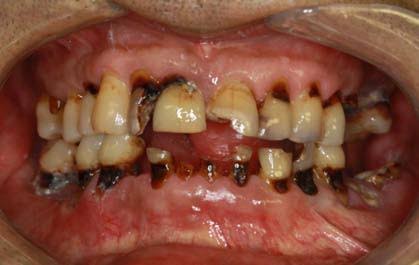
For patients undergoing head and neck radiotherapy, the battle may not end when the cancer treatment does. A dramatic reduction in salivary flow can leave teeth highly vulnerable to radiation-induced caries (RIC), which can progress rapidly and severely.
Now, a new pilot study published suggests that an old dental problem may have a promising new preventive strategy: 38% silver diamine fluoride (SDF).
When Radiation Turns the Mouth Into a High-Risk Environment
Head and neck radiotherapy can significantly reduce salivary gland function. With hyposalivation and xerostomia, the mouth loses some of its natural protection against dental caries.
For these patients, conventional preventive approaches—including home care and professionally applied fluoride varnish—may be difficult to maintain or may not provide sufficient protection.
The result?
Radiation-induced caries can develop quickly, affecting both coronal and root surfaces.
This makes prevention a critical part of dental care before, during and after radiotherapy.
Could Silver Diamine Fluoride Be the Missing Piece?
SDF is already well known in dentistry for its ability to arrest and prevent caries. Its appeal in radiation-associated caries lies in its combination of high fluoride concentration and strong antibacterial activity.
Researchers therefore asked an important question:
Can professionally applied 38% SDF slow radiation-induced caries even when salivary function is severely compromised?
The answer from this pilot study is encouraging.
What Did the Study Find?
The randomized pilot study included 56 patients who received either topical 38% SDF or placebo before radiotherapy and again one and three months after radiation treatment.
The researchers assessed the development of new decayed, missing due to caries, or filled tooth surfaces at 1, 3 and 6 months.
Only 36 participants completed at least one follow-up visit—18 in the SDF group and 18 in the placebo group.
And the difference was striking.
At 3 months, the median caries increment was:
1.0 surface with SDF vs 2.0 surfaces with placebo
(P = .027)
At 6 months:
2.0 surfaces with SDF vs 3.0 surfaces with placebo
(P = .030)
Even more interestingly, at three months, 47.1% of patients in the SDF group had no new carious lesions, compared with just 5.9% in the placebo group.
That is a finding that deserves attention.
The Most Interesting Part? Saliva Still Fell
Both groups experienced a substantial reduction in stimulated salivary flow.
Importantly, there was no significant difference between the groups in salivary flow reduction.
In other words, SDF did not appear to prevent the underlying radiation-associated decline in salivary function.
Yet caries progression was still significantly slower in the SDF group.
This suggests that SDF may provide an additional protective effect even when one of the mouth’s most important natural defenses—saliva—is severely compromised.
What Does This Mean for Dentists?
The findings could be particularly relevant for dentists involved in oncology dentistry, preventive dentistry and post-radiotherapy oral care.
Instead of relying on a single preventive strategy, radiation patients may benefit from a more proactive caries-prevention protocol that considers:
- Baseline dental assessment before radiotherapy
- Intensive preventive care during cancer treatment
- Management of xerostomia and hyposalivation
- Regular monitoring for early radiation-induced caries
- Professionally applied fluoride strategies
- Consideration of 38% SDF as an additional preventive approach
However, this study does not establish SDF as a definitive standard of care for all radiation-treated patients.
Why We Need to Be Cautious
This was a pilot randomized clinical trial, and the number of participants available for follow-up was small.
Only 36 participants completed at least one follow-up visit, meaning the findings should be interpreted cautiously.
The six-month observation period is also relatively short for understanding the long-term prevention of radiation-induced caries.
So, while the results are promising, larger and longer clinical trials are needed before drawing firm conclusions about the long-term effectiveness of SDF in this population.
A Small Bottle With a Potentially Big Role
Radiation-induced caries remains one of the major oral complications associated with head and neck cancer treatment.
What makes this study particularly interesting is not simply that SDF reduced caries progression—it is that the benefit was observed despite substantial reductions in salivary flow.
That could make SDF an important candidate for further investigation in patients whose teeth are exposed to an unusually high caries risk after radiotherapy.
For dentists, the message is clear:
Cancer care doesn’t end at the radiation clinic. Protecting the patient’s teeth can be an equally important part of the journey back to oral health.
And perhaps, in the future, 38% silver diamine fluoride could become another tool in that fight.
Reference
Noureldin AAK, Sones A, Mendoza L, Mancl L, Milgrom P. Effectiveness of silver diamine fluoride in preventing radiation-induced caries: A pilot study. Journal of the American Dental Association. 2026. DOI: 10.1016/j.adaj.2026.05.008.