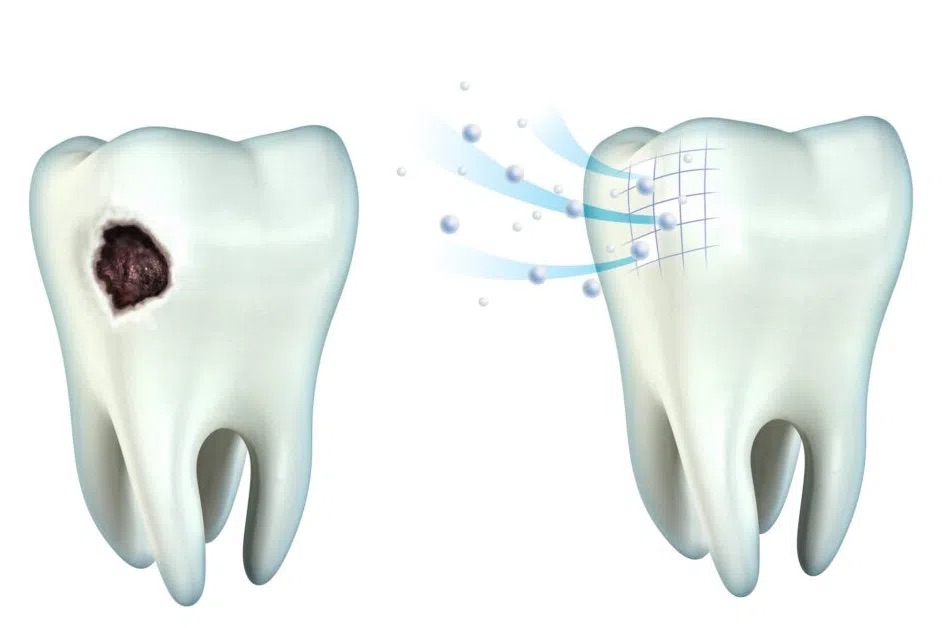
A new research study is creating excitement in pediatric dentistry after scientists found that novel peptide-based agents may significantly boost enamel remineralization in primary teeth — potentially opening the door to smarter, more biologically driven cavity prevention.
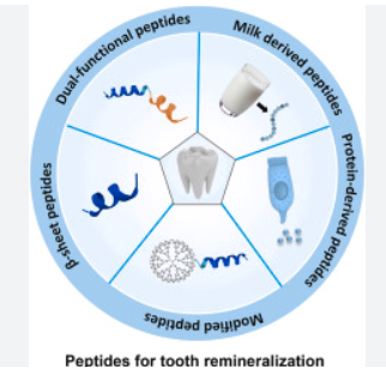
So, What Exactly Are Peptide-Based Agents?
Peptides are short chains of amino acids that can mimic natural proteins involved in enamel formation. These agents are designed to:
- Attract calcium and phosphate ions
- Promote organized crystal growth
- Strengthen weakened enamel surfaces
- Enhance natural remineralization processes
In simple terms, they don’t just coat the tooth — they may help rebuild it at the microscopic level.
What Did Researchers Actually Do?
The study was designed as a detailed in vitro experiment with two phases:
- Pilot phase
- Testing phase
Researchers developed:
- P1 peptide
- P2 peptide
- P3 peptide
These peptides were specially engineered using amino acids with:
High calcium affinity
Strong remineralization potential
Study Design Highlights
- 44 enamel specimens were tested
- Peptide concentrations used:
- 200 μg/mL
- 400 μg/mL
- Compared against:
- Fluoride-treated group
- Untreated control group
The goal?
To evaluate how effectively these peptides could restore early enamel lesions.
Major Findings From the Study
Researchers observed:
Improved mineral deposition
Enhanced enamel remineralization
Better recovery of damaged enamel surfaces
Increased calcium attraction
Promising preventive potential in primary teeth
The findings suggest peptide technology could become a future game-changer in pediatric dentistry.
Could This Replace Fluoride?
Not yet.
Researchers emphasize that peptide-based technologies are still emerging and require more clinical trials before becoming mainstream. However, they may eventually work alongside fluoride rather than replacing it completely.
That combination could create a more powerful defense against childhood caries.
The Future of “Self-Healing” Teeth?
The concept of biologically guided enamel repair is one of the most exciting areas in modern dentistry. If further studies confirm these findings, peptide-based remineralization systems could someday be integrated into:
- Pediatric toothpastes
- Preventive varnishes
- Smart dental gels
- Early caries treatment protocols
For parents, that could mean fewer fillings for children.
For dentists, it could mean a major shift toward regeneration instead of restoration.
References
Erken Gungor, O. et al. (2026)
“Evaluation of a novel calcium-binding peptide for enamel remineralization: An in vitro SEM-EDX study”
Published in the European Journal of Dentistry [Preprint].
DOI Reference:
https://doi.org/10.1055/s-0046-1820116