Faster Crowns Without Compromising Quality? New Research Says Yes
What if a zirconia crown could be fabricated in a fraction of the usual time—without sacrificing strength, durability, or esthetics? A new laboratory study suggests that ultra-fast sintering technology may make this possible, opening the do
or to quicker restorative workflows and shorter waiting times for patients.
Researchers have found that modern high-speed sintering protocols can produce monolithic zirconia restorations with mechanical performance and translucency comparable to conventionally sintered restorations, potentially transforming how dental laboratories and clinicians approach crown and bridge fabrication.
Why This Matters
Monolithic zirconia has become one of the most widely used restorative materials because of its exceptional fracture resistance and reduced risk of porcelain chipping. However, conventional sintering cycles often require several hours, delaying restoration delivery.
The latest findings indicate that dramatically reducing sintering time does not significantly affect the material’s strength, hardness, or optical appearance, making same-day or faster prosthetic workflows increasingly achievable.
Inside the Study
Researchers from the Department of Prosthodontics and Crown & Bridge at Subharti Dental College and Hospital evaluated 24 CAD/CAM-fabricated three-unit zirconia fixed partial dentures.
The restorations were divided into three different sintering protocols:
- Conventional long-cycle sintering (approximately 2 hours)
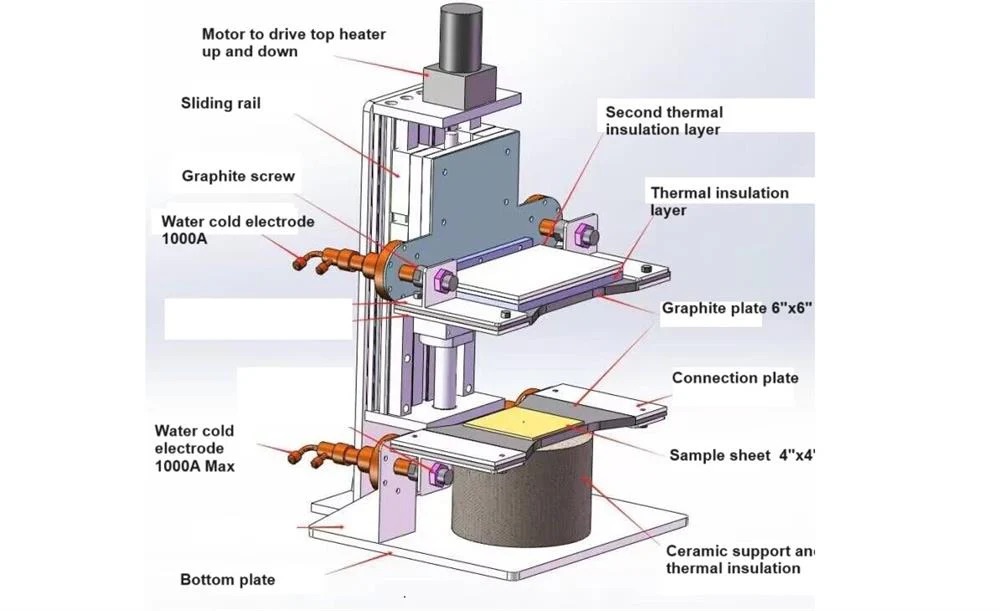
- Speed sintering (around 61 minutes)
- Ultra-fast super-speed sintering
Each restoration underwent comprehensive laboratory testing to assess:
- Biaxial flexural strength
- Surface hardness (Vickers Hardness)
- Optical translucency
- Microstructural stability
Key Findings
Exceptional Mechanical Strength
The accelerated sintering protocols maintained impressive fracture resistance.
- Peak biaxial flexural strength reached approximately 1080 MPa
- Ultra-fast sintered specimens still demonstrated nearly 960 MPa, remaining well within clinically acceptable limits
- Statistical analysis showed no significant difference among the three protocols.
Hardness Remained Consistent
Surface durability was unaffected by faster processing.
- Vickers hardness values ranged between approximately 1169 and 1225 HV
- No meaningful reduction in wear resistance was observed.
Natural-Looking Translucency Was Preserved
One of the biggest concerns with rapid sintering is loss of esthetics.
The study found that translucency remained remarkably stable across all groups, with the speed-sintered restorations recording the highest translucency values while showing no statistically significant differences from conventional processing.
Zirconia’s Toughening Mechanism Stayed Intact
Microscopic evaluation suggested that rapid thermal cycles did not adversely affect zirconia’s transformation-toughening behavior, one of the key reasons behind its outstanding clinical durability.
What This Means for Dentistry
The findings suggest that dental laboratories can substantially shorten zirconia production times without compromising restoration quality.
Potential benefits include:
- Faster crown and bridge fabrication
- Reduced laboratory turnaround time
- Improved digital dentistry workflows
- Earlier definitive restoration placement
- Less time spent wearing temporary restorations
- Increased productivity for laboratories and clinicians
As digital dentistry continues to evolve, ultra-fast sintering could become a valuable tool for practices aiming to deliver efficient, high-quality restorative care.
Although the results strongly support the use of 3Y-TZP (3 mol% yttria-stabilized tetragonal zirconia polycrystal) under accelerated sintering conditions, researchers note that additional investigations are needed to determine whether newer high-translucency zirconia materials, such as 4Y-TZP and 5Y-TZP, respond equally well to rapid firing protocols.
If future studies confirm these findings, ultra-fast sintering may become a standard component of next-generation digital restorative dentistry.
Reference
Sahani A, Goswami R, Trivedi A. Exploring the relationship between sintering cycle protocols and mechanical and optical properties of monolithic zirconia: An in vitro study. Indian Journal of Dental Sciences. 2026;18:53–56.