What if preparing a tooth for a crown became as precise as programming a machine? That vision is moving closer to reality with the development of a tiny robotic device designed to assist dentists during one of the most common restorative procedures.
Researchers have introduced a miniature intraoral robot capable of automatically shaping teeth for dental crowns using a pre-planned digital workflow. Small enough to fit comfortably inside the mouth, this innovative technology aims to improve precision, reduce treatment time, and potentially cut the number of appointments patients need. While still in the experimental stage, the breakthrough highlights how robotics and digital dentistry could reshape restorative care in the years ahead.
Meet the Miniature Intraoral Robot (MIR)
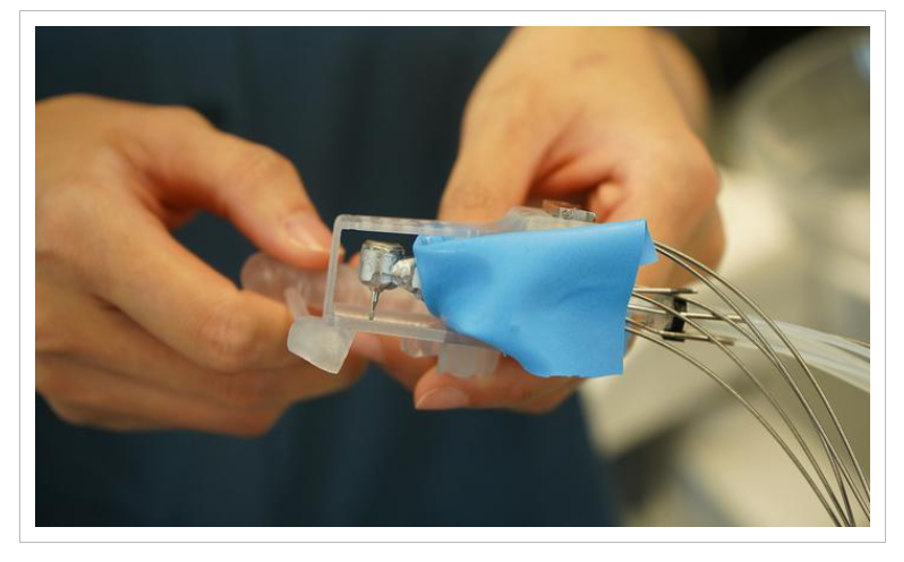
A multidisciplinary team of engineers and dental researchers has developed the Miniature Intraoral Robot (MIR), an ultra-compact robotic device specifically designed to work safely inside the patient’s mouth.
Measuring only 43 × 26 × 28 millimeters, the robot is small enough to fit comfortably during dental procedures. To maintain its compact size, the motors and electronic control system remain outside the patient’s mouth and are connected through flexible drive shafts, cables, and miniature tubes.
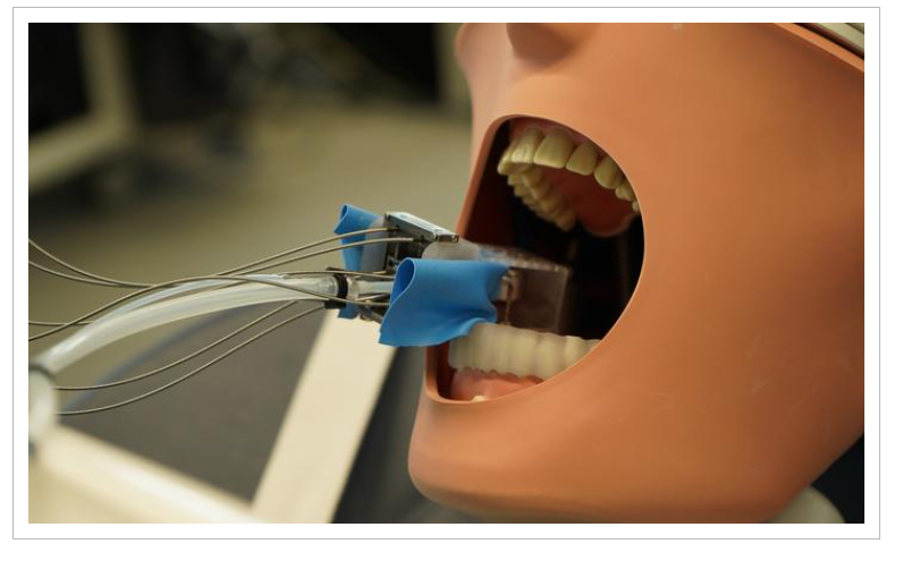
The robot is securely attached to a custom-made dental splint, ensuring it remains perfectly aligned with the patient’s teeth throughout the procedure. Even if the patient moves their head slightly, the robot moves together with the splint, maintaining treatment accuracy.
How the System Works
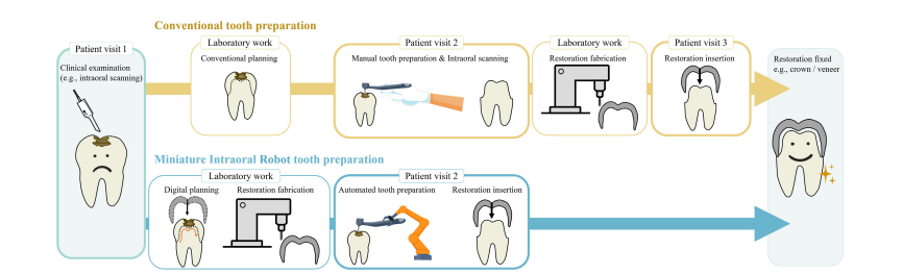
The proposed workflow begins with a digital intraoral scan.
Using this scan, dentists create a detailed virtual treatment plan that determines exactly how much tooth structure should be removed for an ideal crown preparation.
Once the plan is finalized:
- A customized splint is fabricated.
- The robot is mounted onto the splint.
- MIR automatically follows the programmed preparation path.
- The permanent crown can potentially be ordered immediately after digital planning rather than waiting until after manual preparation.
This approach could significantly reduce the number of clinical appointments required for crown therapy.
Two-Step Precision Tooth Preparation
The miniature robot prepares the tooth using a carefully planned sequence.
Step 1: Occlusal Reduction
A wider rotary bur removes tooth structure from the top surface, creating the required clearance for the future crown.
Step 2: Axial Preparation
A thinner, longer bur precisely shapes the sides of the tooth to create proper crown retention and geometry.
The robotic movement follows pre-programmed digital instructions rather than relying solely on manual hand control.
Surprisingly Accurate Without Vision Sensors
One of the most remarkable achievements of the prototype is its impressive precision—even without built-in cameras or positional sensors.
Laboratory testing demonstrated:
- Positioning errors of less than 0.2 millimeters
- Controlled drilling forces below 5 Newtons
- Stable and repeatable preparation patterns
- Successful operation on synthetic resin teeth and ceramic materials with hardness comparable to natural enamel
Maintaining low drilling forces is particularly important because excessive pressure can compromise precision, increase heat generation, and reduce patient comfort.
Why This Technology Matters
Robotic-assisted dentistry could offer several potential advantages:
Greater Precision
Digital planning combined with robotic execution may produce more consistent crown preparations with reduced variability.
Improved Efficiency
Ordering the definitive crown immediately after digital planning could shorten overall treatment time.
Better Standardization
Automation may help deliver consistent clinical outcomes across different operators.
Reduced Physical Fatigue
Preparing crowns manually requires prolonged concentration and precise hand movements. Robotic assistance could reduce operator strain during complex restorative procedures.
Future Integration with Digital Dentistry
The system aligns naturally with digital scanners, CAD/CAM workflows, and modern chairside restorative technologies.
The Next Phase of Development
Although the current prototype has demonstrated excellent laboratory performance, it is not yet ready for routine patient care.
Researchers are now working on integrating:
- Real-time position sensors
- Miniature intraoral cameras
- Continuous motion tracking
- Automatic correction of tool position during treatment
- Recovery capability after unexpected interruptions such as power loss
The challenge is to incorporate these advanced features without increasing the robot’s compact size.
Collaboration Behind the Innovation
The project was developed through collaboration between biomedical engineers, dental specialists, and industry partners, combining expertise in robotics, restorative dentistry, precision engineering, and medical device development.
The research team believes robotic assistance should support—not replace—the dentist, allowing clinicians to focus on diagnosis, treatment planning, and patient care while automation handles highly repetitive precision tasks.
Today’s prototype offers a fascinating glimpse into what tomorrow’s dental clinic could look like—where intelligent robotic assistants help deliver high-quality restorative care with unprecedented precision.
Reference
Tomooka Y, Rauter G, and colleagues. Miniature Intraoral Robot (MIR) for automated tooth preparation. IEEE Transactions on Medical Robotics and Bionics (2026). DOI: 10.1109/TMRB.2026.3682629