Imagine treating oral cancer with a tiny nanoparticle that not only destroys the tumor but also trains your immune system to hunt down cancer cells throughout the body.
That futuristic vision may be closer than ever. Researchers at the University of Pennsylvania have developed an innovative lipid nanoparticle (LNP) therapy that delivers a powerful combination of p53 mRNA and the FDA-approved drug ciclopirox, offering a promising new strategy against Oral Squamous Cell Carcinoma (OSCC)—the most common and deadliest form of oral cancer
The Breakthrough: One Nanoparticle, Two Powerful Cancer Fighters
Instead of relying on a single drug, the Penn team engineered a dual-delivery lipid nanoparticle capable of transporting two complementary therapies directly into oral cancer cells.
1. p53 mRNA
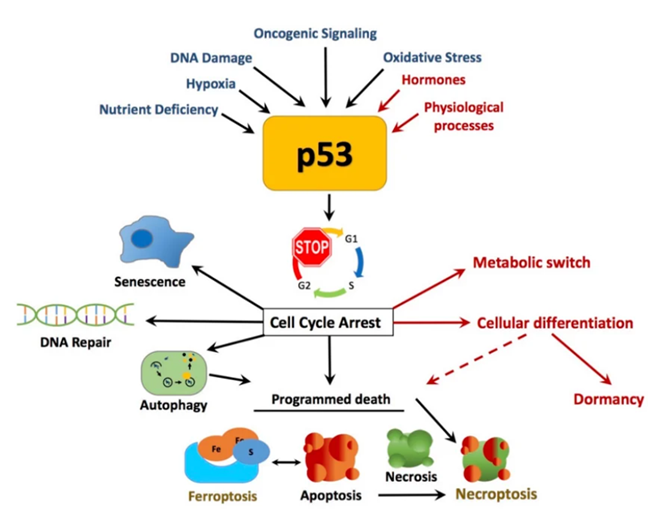
More than 70% of oral cancers contain mutations in the p53 tumor suppressor gene.
The researchers used mRNA technology to restore p53 function inside cancer cells, helping them regain the ability to stop uncontrolled growth and trigger cancer cell death.
2. Ciclopirox
Surprisingly, the second weapon isn’t a traditional chemotherapy drug.
Ciclopirox, commonly prescribed as an antifungal medication, has shown remarkable anti-cancer and immune-modulating properties.
By packaging both therapies into the same nanoparticle, researchers created a treatment capable of attacking oral cancer from multiple directions simultaneously.
More Than Chemotherapy—It Reprograms the Immune System
Perhaps the most exciting discovery wasn’t simply tumor destruction.
The therapy also changed the tumor’s immune environment.
Normally, oral cancers recruit immune cells that actually protect tumors from immune attack.
The nanoparticle therapy appears to reprogram these immune cells, allowing the body’s natural defenses to recognize and attack cancer instead of helping it survive.
This dual action means the treatment:
- Directly kills cancer cells
- Activates anti-tumor immunity
- Reduces immune suppression inside tumors
- May help fight metastatic disease beyond the original tumor
Remarkable Results in Aggressive Oral Cancer Models
The researchers tested the therapy in highly aggressive oral cancer models that typically resist conventional p53 treatment.
The results were impressive:
- Significant reduction in tumor size
- Improved survival
- Effective even in difficult-to-treat cancers
- Strong immune activation
These findings suggest that combining gene therapy with immune modulation could overcome one of oral cancer’s biggest treatment challenges.
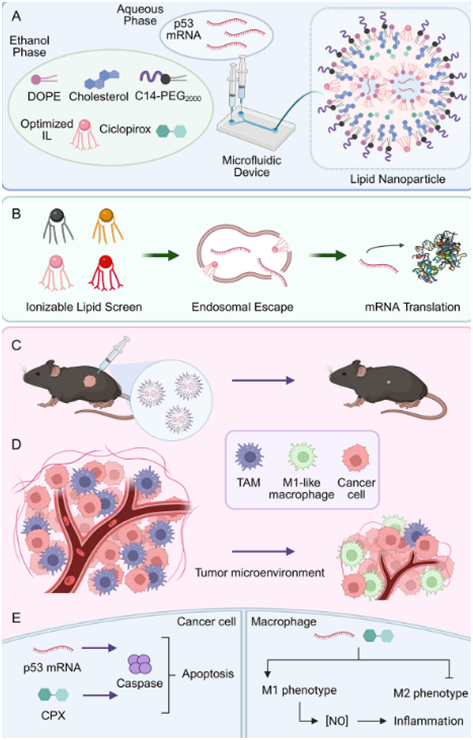
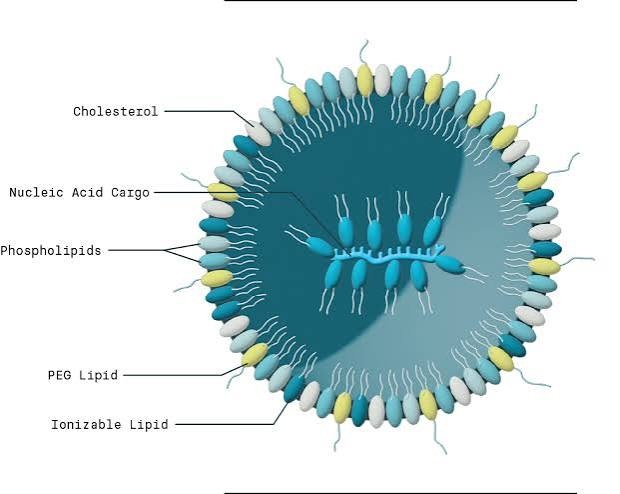
Overview of the lipid nanoparticle (LNP) co-delivery platform. (A), LNPs are formulated via a microfluidic device, combining an aqueous mRNA phase with an ethanolic phase containing the lipid excipients. (B), LNPs are screened with different ionizable lipids to identify a top performer. Ionizable lipids aid in endosomal escape by disrupting endosomal bilayers, releasing RNA into the cytosol where it is translated into protein. (C–D), LNP treatment delays tumor growth by (C) killing tumor cells and (D) altering the TME via polarization of TAMs to M1-like macrophages. (E), Cancer cell killing is mediated by caspase pathways, while macrophage polarization involves the expression of M1-like markers and increased nitric oxide productio
Why Lipid Nanoparticles Matter
Lipid nanoparticles gained worldwide recognition during the COVID-19 pandemic for delivering mRNA vaccines safely into human cells.
Now, scientists are adapting the same technology to deliver cancer therapies with remarkable precision.
Unlike conventional chemotherapy, lipid nanoparticles can:
- Protect fragile mRNA molecules
- Deliver drugs directly into cancer cells
- Reduce damage to healthy tissues
- Carry multiple therapeutic agents simultaneously
- Be customized for different tumor types
This makes them one of the most promising platforms in modern cancer medicine.
Toward Personalized Oral Cancer Treatment
One of the biggest obstacles in treating OSCC is that every tumor behaves differently.
Some respond to therapy.
Others quickly develop resistance.
The Penn researchers designed this nanoparticle platform to be flexible and customizable, allowing future versions to carry different combinations of therapeutic molecules based on an individual patient’s tumor genetics.
Instead of a “one-size-fits-all” approach, oral cancer treatment could become truly personalized.
What Comes Next?
Although the results are highly encouraging, several important steps remain before this therapy reaches patients.
Researchers are now working to:
- Better understand how ciclopirox reshapes the immune response
- Improve nanoparticle targeting precision
- Test additional therapeutic payloads
- Evaluate the therapy in more complex preclinical models
- Prepare for eventual clinical trials
If successful, this technology could become an entirely new class of customizable nanomedicine for oral cancer.
Why This Research Matters for Dentistry
For dentists and oral medicine specialists, this breakthrough highlights the rapidly evolving role of precision medicine in oral healthcare.
As technologies like mRNA therapeutics, nanomedicine, and immunotherapy move closer to clinical practice, future oral cancer treatment may become:
- Less invasive
- More targeted
- Better tolerated
- More effective against recurrence and metastasis
Early diagnosis will remain essential, but innovative therapies like this may dramatically improve survival while preserving patients’ ability to speak, eat, and smile.
The Future of Oral Cancer Therapy May Arrive in a Nanoparticle
The Penn team’s work represents more than another experimental cancer drug—it introduces a smart delivery platform capable of combining gene therapy, targeted drug delivery, and immune activation into a single treatment.
If future clinical trials confirm these findings, patients with oral squamous cell carcinoma may one day benefit from therapies that not only shrink tumors but also teach the immune system to keep cancer from coming back.
For a disease that has changed little in decades, that’s a breakthrough worth watching.
Reference
Lipid Nanoparticle Co-Delivery of mRNA and a Small Molecule Drug for Oral Cancer Chemoimmunotherapy