What if your toothbrush could actually see the areas you are missing?
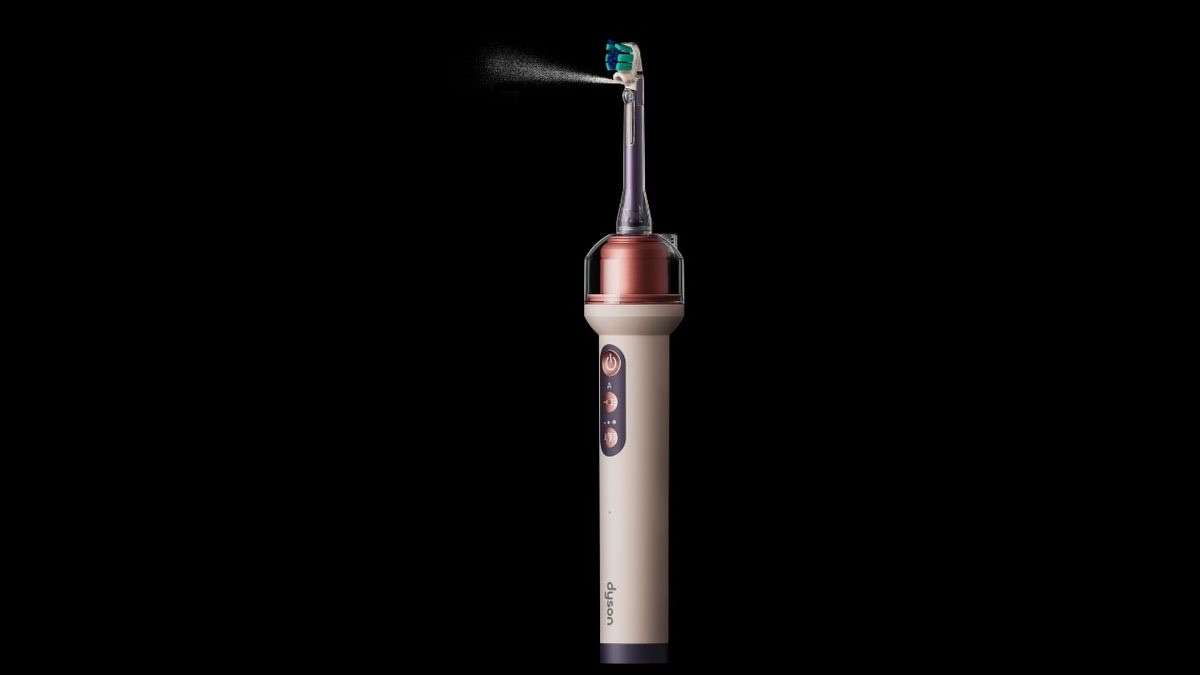
Dyson has just taken oral care into surprisingly futuristic territory with the launch of the Dyson CameraJet, a smart electric toothbrush that combines an intraoral camera, artificial intelligence, sonic brushing and a targeted liquid jet.
Launched in Paris the CameraJet is designed to detect interdental gaps while you brush and automatically direct a burst of mouthrinse toward those areas.
A Camera Inside Your Toothbrush
The headline feature is a 100k-pixel macro-lens camera positioned near the brush head.
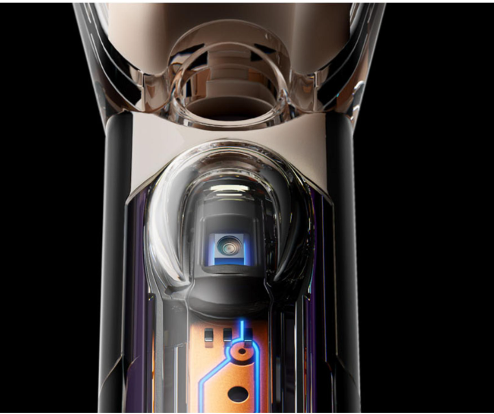
According to Dyson, its machine-learning system analyses 28 images per second to identify, track and predict gaps between teeth. When a gap is detected, the system can trigger a targeted liquid jet within milliseconds.
Dyson says its Gap Optical Targeting technology was developed using a machine-learning system trained on 470,000 dental images.
The result?
Your toothbrush doesn’t simply brush. It looks, identifies and responds.
Liquid Flossing While You Brush
Instead of relying only on conventional brushing, CameraJet uses a conical jet of mouthrinse to target interdental areas.
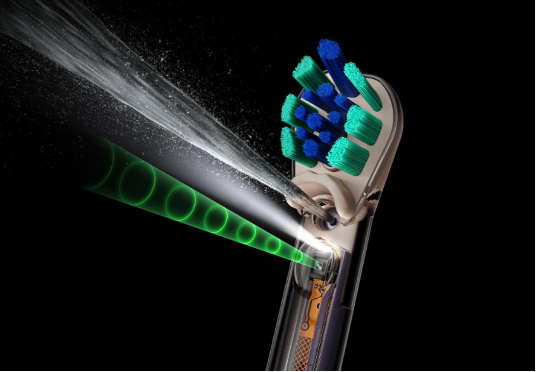
Dyson says the jet can deliver up to 0.15 mL of liquid between teeth, with the system designed to target areas where plaque may accumulate.
The camera can function as a high-quality endoscope, providing a live view through the MyDyson app. Users can see areas of their mouth while brushing and receive feedback through features such as guided cleaning and coverage mapping.
More Than a Smart Toothbrush
CameraJet also incorporates variable sonic oscillation, designed to keep the bristles moving and reduce stalling against tooth surfaces.
Dyson reports that its testing showed up to 69% greater plaque removal than market-leading premium electric toothbrushes in hard-to-reach areas. These are manufacturer-reported claims, so they should be interpreted in the context of the specific testing methodology and comparator used.
The system also includes:
- Dual-bristle brush head
- Three brushing intensity settings
- Pressure and technique feedback
- RFID-enabled brush heads
- Guided cleaning
- Coverage mapping
- Targeted mouthrinse delivery
- A dedicated non-foaming toothpaste and mouthrinse
The non-foaming formulation is important because excessive foam could interfere with the camera’s ability to identify interdental areas.
What About Patient Privacy?
Putting a camera inside a toothbrush naturally raises privacy questions.
Dyson states that images processed by the device or MyDyson app are not stored or shared, and that the company and third parties cannot access them.
That will likely be an important consideration as camera-based oral-health devices become more common.
A New Direction for Consumer Dentistry?
The CameraJet is more than another connected toothbrush.
It represents a shift toward visual, data-driven and responsive oral-care technology—where the device attempts to identify a problem area and modify its cleaning action in real time.
The more interesting possibility is what happens in between dental visits.
If technology can help patients see what they are missing, understand their technique and clean difficult areas more consistently, it could become another tool for improving home-care behaviour.
Reference
Dyson has officially entered dentistry with CameraJet™