One Small Tablet Could Be the Turning Point in the Fight Against Tobacco Addiction
Quitting smoking is one of the most difficult health challenges many people will ever face. While millions attempt to quit each year, nicotine addiction often pulls them back, making long-term success difficult.
Fortunately, advances in medicine have transformed smoking cessation, and one medication has become a game-changer for many smokers—varenicline.
Designed specifically to target nicotine addiction, varenicline has helped countless smokers overcome cravings and significantly improve their chances of quitting permanently. For dental professionals, this breakthrough is especially important because smoking remains one of the biggest risk factors for periodontal disease, implant failure, oral cancer, and delayed wound healing.
What Is Varenicline?
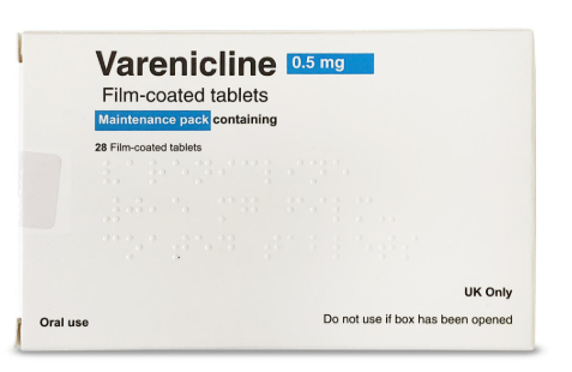
Varenicline is a prescription medication developed specifically to help people stop smoking.
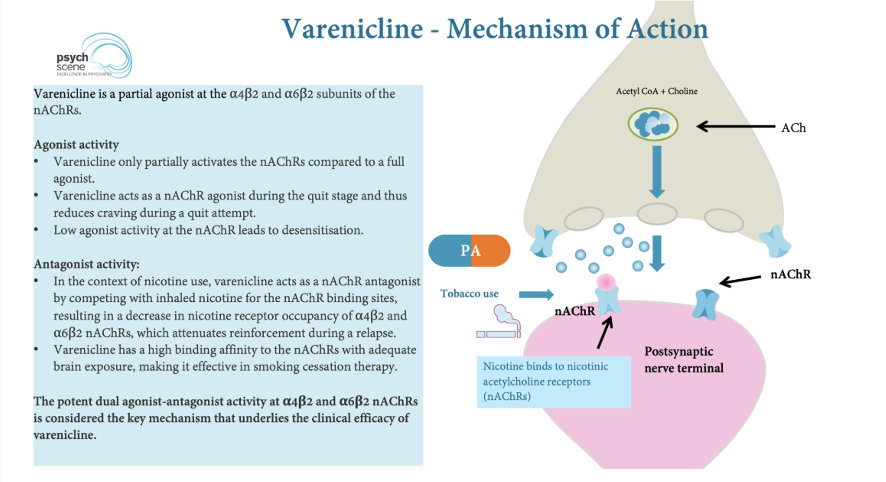
Unlike nicotine replacement products such as gums or patches, varenicline works directly on the brain’s nicotine receptors.
It acts in two important ways:
• Reduces nicotine cravings by partially stimulating nicotine receptors.
• Blocks the rewarding effects of cigarettes, making smoking less satisfying if a person relapses.
This dual mechanism helps reduce withdrawal symptoms while weakening nicotine addiction over time.
What Did the Research Show?
Clinical studies published in the Archives of Internal Medicine demonstrated that smokers taking varenicline were significantly more likely to quit successfully compared with placebo and some previously available therapies.
Researchers found that:
• More participants successfully stopped smoking.
• Cravings were substantially reduced.
• Withdrawal symptoms became easier to manage.
• Long-term quit rates improved.
The findings helped establish varenicline as one of the most effective medications available for smoking cessation.
Why Is It Different from Nicotine Replacement Therapy?
Traditional nicotine replacement therapies—including:
• Nicotine gum
• Nicotine patches
• Lozenges
• Inhalers
• Nasal sprays
replace nicotine while gradually reducing dependence.
Varenicline works differently.
Instead of supplying nicotine, it interacts with the brain’s nicotine receptors to reduce both cravings and the pleasurable sensation associated with smoking.
This unique approach helps many smokers break the psychological and physical cycle of tobacco addiction.
Is Varenicline Safe?
Like all prescription medications, varenicline should only be taken under medical supervision.
Healthcare providers evaluate each patient’s medical history before prescribing treatment and monitor for possible side effects throughout therapy.
Patients should always discuss potential risks and benefits with their physician before starting the medication.
Why This Matters to Dentistry
Dentists are often the first healthcare professionals to detect the harmful effects of tobacco use.
Routine dental visits provide valuable opportunities to:
• Identify early signs of smoking-related oral disease.
• Educate patients about tobacco’s impact on oral health.
• Encourage smoking cessation.
• Refer patients for evidence-based quitting support.
By working together with physicians and smoking cessation programs, dental professionals can play a major role in helping patients achieve healthier lives.
Smoking continues to be one of the leading preventable causes of disease worldwide, but effective tools are helping more people quit than ever before.
Varenicline has emerged as one of the most successful prescription medications for smoking cessation by reducing cravings and making cigarettes less rewarding.
References
- Gonzales D, et al. Varenicline, an α4β2 Nicotinic Acetylcholine Receptor Partial Agonist, vs Sustained-Release Bupropion and Placebo for Smoking Cessation. Archives of Internal Medicine. 2006.
- Jorenby DE, et al. Efficacy of Varenicline for Smoking Cessation: A Randomized Controlled Trial. Archives of Internal Medicine. 2006.